
Article Text
Please comply with the laws and regulations of the country in question regarding the possession and use of drugs.
In recent years, in countries around the worldMarijuana legalizationis progressing.Canada,Some states in the United StatesThen,medical useandRecreational cannabiswas legalized, andEconomic benefits,Improving public healthHowever, cannabis is still illegal in Japan.IllegalandThe debate over legalizationThe current situation is that progress has not been made.back ground,Benefits, and the accompanyingTaskConsidering the following:Government OfficialsSpecific measures aimed atSolutionsPropose
table of contents
- Introduction
- Introduction
- The benefits of cannabis legalization
- Challenges associated with cannabis legalization
- Learning from other countries
- Proposals for solving problems
- A guide to cannabis regulations: 20 questions answered
- What is the main purpose of this guide?
- What are the key principles for regulating cannabis?
- How do you explain the failure of current drug prohibition policies?
- What impact will cannabis legalization have on public health?
- What are the benefits of a regulated cannabis market?
- What are the age restrictions for cannabis use?
- How does the cannabis retail licensing system work?
- How are cannabis advertising and marketing regulations designed?
- What are the standards for quality control and safety of cannabis?
- What are the guidelines regarding the medical use of cannabis?
- How do you assess the impact of a regulated cannabis market on crime?
- What kind of education programs are proposed regarding cannabis use?
- What is the regulatory approach that takes into account the impacts on local communities?
- How are cannabis cultivation regulated?
- How are the import and export regulations for cannabis designed?
- What information is available about the health risks of cannabis use?
- What measures are in place to ensure regulatory transparency?
- What are the international examples of cannabis regulation?
- What are your recommendations to policymakers regarding cannabis regulation?
- How does this guide support policy implementation?
- Conclusion
- References and Links
- Summary
- Total
- Comment:
After you understand, take a look at related products.
You can easily find a list of products similar to the themes featured in the article. Use this to compare products and check their details.
Recommended products
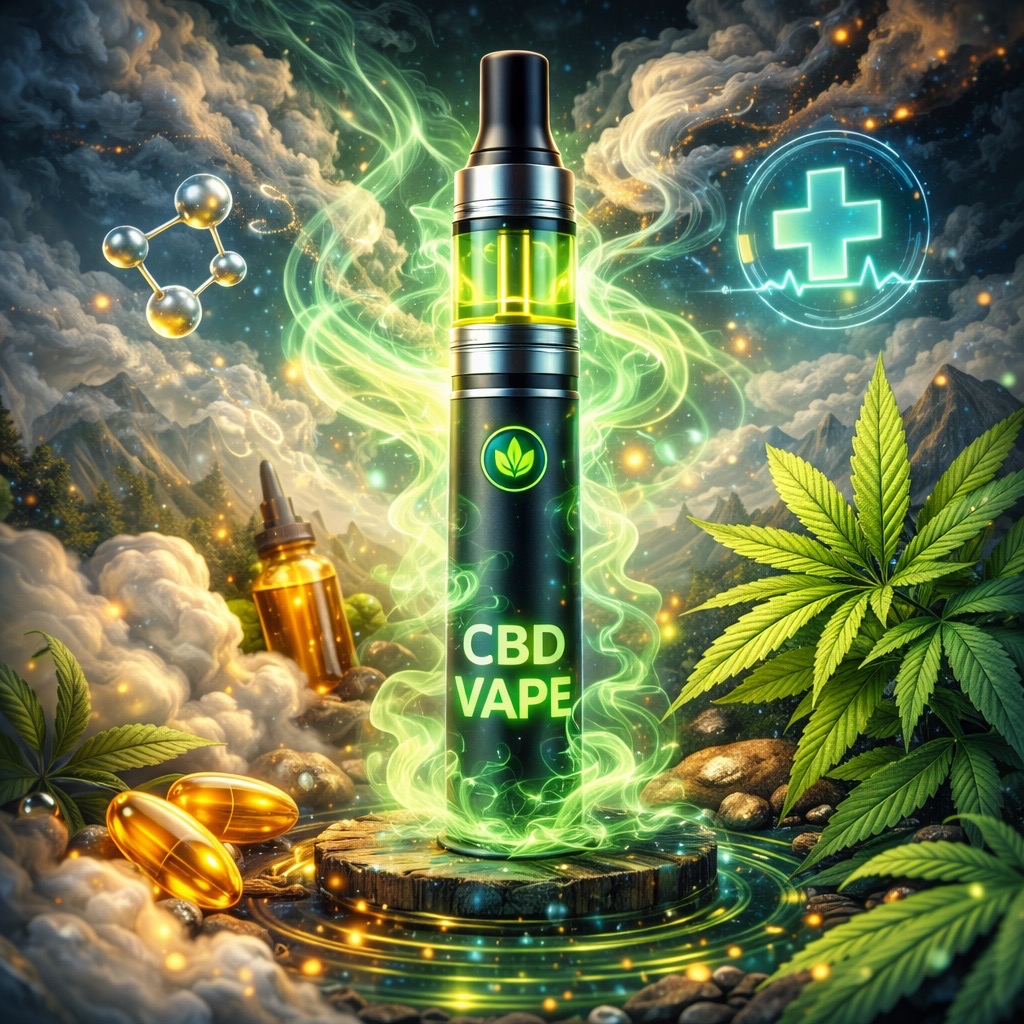
CBD (Cannabidiol) VAPE Liquid
Taking a deep breath, you feel as if you have stepped into a coniferous forest.
Tax included ¥5,720
View product details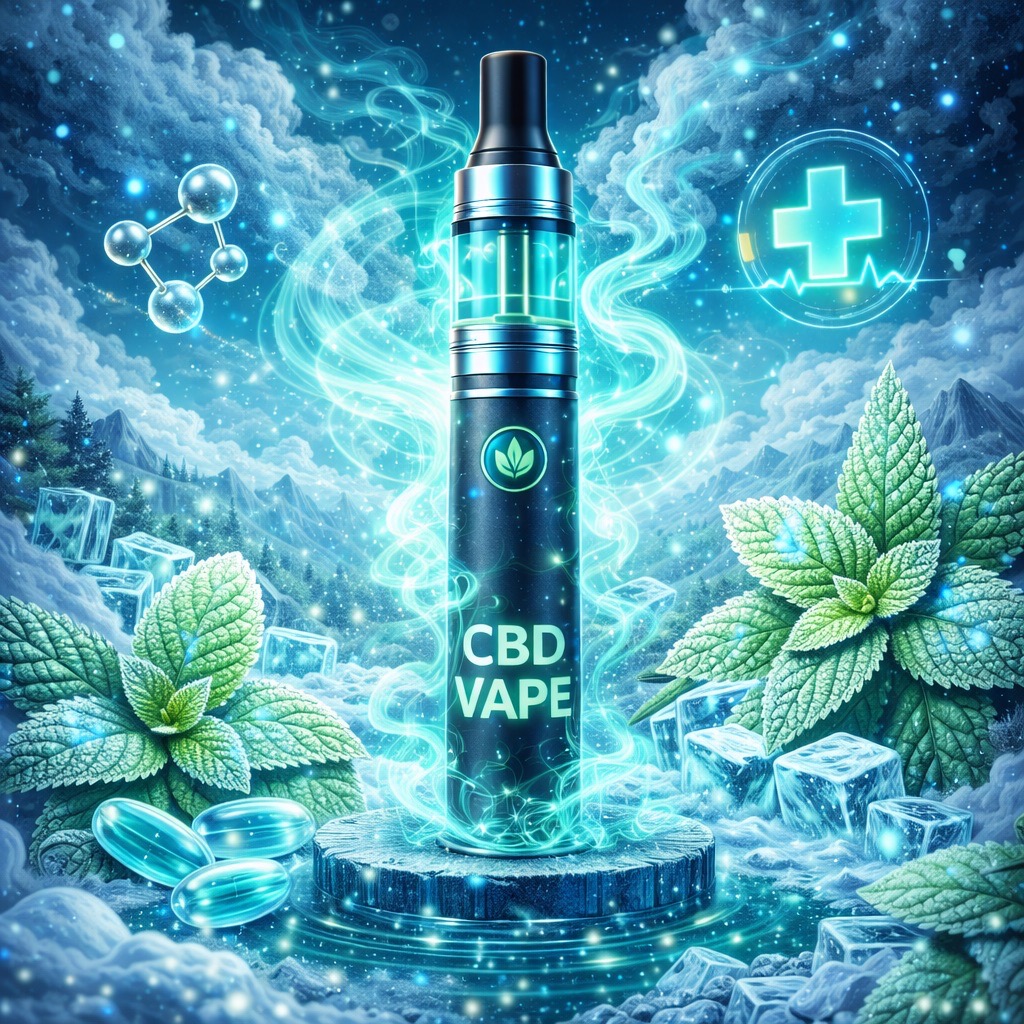
CBD (Cannabidiol) Menthol Vape Liquid
Ice Breath, Silent Gravity
Tax included ¥6,050
View product detailsIntroduction
The benefits of cannabis legalization
There are many benefits to legalizing marijuana. First,Economic perspectiveLet's take a look at it from the beginning.Cannabis IndustryBy formingNew tax revenueis expected,Job creationFor example,Colorado, USASo, after marijuana is legalized, hundreds of millions of dollars in tax revenue will be generated annually, some of which will come fromEducation,Public servicesis being allocated to.
next,Improving public healthis about.In a regulated environmentCannabis sales inInspection Managementis done,Consumers want safe productsYou can also getEliminating the illegal marketBySources of funding for criminal organisationsBecause it can cut offImproved public safetyalso contributes to.
Furthermore, Social justiceFrom this perspective, legalization of marijuana is important. The strict laws regarding marijuana in the past, especiallyminority,Low-incomeLegalization has had an unfair impact on theseReducing inequalityThere will be opportunities to do so.
Challenges associated with cannabis legalization
However, there are many challenges to legalizing marijuana. First,Legal and regulatory developments.Current LawIt is not easy to establish new regulations while maintaining consistency with the current regulations.Local and national lawsIf they are different,AdjustmentIs required.
next,Public health impactThe increase in marijuana use isHealth risksIn particular,Impact on young peopleis serious,Mental health issues,Risk of addictionThere is concern thatEducation,Enlightenment activitiesIs essential.
In addition, Social prejudice and misunderstandingAnother major issue is the deep-rooted stigma surrounding cannabis, and the opposition to legalization.opposite opinionIn order to overcome this,Accurate informationProvideUnderstanding throughout societyWe need to deepen our understanding.
Learning from other countries
A success story of cannabis legalization:Canada,Some states in the United StatesIn Canada, cannabis was legalized nationwide in 2018.Strict regulationsAs a result, the market was formed underIncreased tax revenue,Shrinking the illegal markethas come true.
On the other hand, the AmericanColoradoSo, after legalizationCannabis-related businessesThe number of cases has increased sharply.Jobs createdHowever, at the same timeUse among young peopleThese cases have also raised issues in Japan, such as the rise inAppropriate RegulationwithEducationIt turns out that is necessary.
Proposals for solving problems
The following specific proposals could be considered to resolve the issues surrounding cannabis legalization:
- Formulating comprehensive policies: The policy towards legalizing marijuana isScientific DataIt should be formulated based on the following:Stakeholder consultationresponding to local needs throughFlexible approachIs required.
- Strengthening education and awareness-raising activities: Cannabis-relatedAccurate informationConduct public campaigns to provideEducation for young peopleIt is important to strengthenschool educationEducation about the risks of cannabis and how to use it safely should also be included in public health education.
- International cooperation and information sharing: Learn from success stories and failures of other countries and apply them to Japanbest practiceIt is important to introduceInternational ForumThrough meetings andInformation sharingIt is required to promote the following.
A guide to cannabis regulations: 20 questions answered
CannabisLegalizationwithRegulationThis article provides practical advice on cannabis regulation based on the book "How to Regulate Cannabis: A Practical Guide."20 questionswill answer.
What is the main purpose of this guide?
The primary goal of this guide is to provide practical guidance to those involved in cannabis policy to develop and implement effective regulatory approaches.
What are the key principles for regulating cannabis?
Key principles include protecting public health, social justice, transparency, and flexibility based on community needs.
How do you explain the failure of current drug prohibition policies?
Drug prohibition policies have been described as contributing to increased crime, public health problems and social inequalities, which has led to calls for more humane and effective approaches.
CannabisLegalizationWhat are the public health implications?
Legalization is expected to allow for better quality control of cannabis and reduce health risks to users, and it is also important that public health education is strengthened.
What are the benefits of a regulated cannabis market?
Regulated markets can increase tax revenue, reduce crime, and ensure consumer safety.
What are the age restrictions for cannabis use?
Age restrictions are usually imposed to prevent minors from using the site.18 or 21 years oldIt is often set to .
How does the cannabis retail licensing system work?
The licensing system is designed to ensure that distributors comply with regulations and meet quality standards.
How are cannabis advertising and marketing regulations designed?
Advertising is strictly controlled to avoid influencing minors and misleading statements are prohibited.
What are the standards for quality control and safety of cannabis?
Quality control standards include testing of ingredients and pesticide and heavy metal residues to ensure consumer safety.
What are the guidelines regarding the medical use of cannabis?
Guidelines for medical use recommend use based on a doctor's prescription and according to the patient's health condition.
How do you assess the impact of a regulated cannabis market on crime?
Regulated markets are seen as effective in reducing illicit trade and cutting off sources of funding for criminal organisations.
What kind of education programs are proposed regarding cannabis use?
Educational programs provide accurate information about risks and effects and promote responsible use.
What is the regulatory approach that takes into account the impacts on local communities?
It is important that regulations are designed with local community participation, taking into account local needs and culture.
How are cannabis cultivation regulated?
Cultivation regulations are strict and designed to minimize environmental impact and ensure quality.
How are the import and export regulations for cannabis designed?
Imports and exports are subject to international laws and regulations and are limited to properly licensed operators.
What information is available about the health risks of cannabis use?
Information on health risks includes the risk of addiction, mental health effects and long-term health problems.
What measures are in place to ensure regulatory transparency?
To ensure transparency, regulatory processes and data should be made public and public participation encouraged.
What are the international examples of cannabis regulation?
As an international example,Canada,Eur-lex.europa.eu eur-lex.europa.euSuccess stories are presented and lessons are suggested for other countries to learn.
What are your recommendations to policymakers regarding cannabis regulation?
Policy makers are urged to base their decisions on scientific data and to listen to local community voices.
How does this guide support policy implementation?
The guide offers practical approaches and best practices, providing a framework to support policy implementation.
Conclusion
The legalization of marijuana isEconomic benefits,Improving public health,Social justiceHowever, there are many challenges involved.Government Officialswill take these challenges seriously, formulate comprehensive policies,Education and awareness activitiesIt is necessary to deepen the understanding of society as a whole through these efforts.Realized in JapanI hope that this will help to build a better society.
References and Links
- Transform Drug Policy Foundation. (2023). How to Regulate Cannabis: A Practical Guide. Statistics Canada. (2018). Cannabis Stats Hub.
- Rogeberg, O. et al. (2018). A new approach to formulating and appraising drug policy: A multi-criterion decision analysis applied to alcohol and cannabis regulation, Int J Drug Policy.
In recent years, in countries around the worldMarijuana legalizationis progressing.Canada,Some states in the United StatesThen,medical useandRecreational cannabiswas legalized, andEconomic benefits,Improving public healthHowever, cannabis is still illegal in Japan.IllegalandThe debate over legalizationThe current situation is that progress has not been made.back ground,Benefits, and the accompanyingTaskConsidering the following:Government OfficialsSpecific measures aimed atSolutionsPropose
Latest articles on laws, regulations, and administration
Submission of public comments regarding the "Act to partially amend the Cannabis Control Act and the Narcotics and Psychotropic Substances Control Act"
This e-liquid online shop submitted the following opinion to the public comment procedure (public comment) conducted by the Pharmaceutical Affairs Bureau, Ministry of Health, Labour and Welfare, regarding the "Act to Amend Part of the Cannabis Control Act and the Narcotics and Psychotropic Substances Control Act"...
Lawyers at the forefront of drug cases and redress for wrongful convictions
Drug offenses are serious criminal cases that can completely change one's life once arrested. However, in reality, there are many cases of wrongful conviction (social wrongful conviction) where innocent people are mistakenly arrested, including cases where the person is not indicted. In these cases...
The suicide of a Shibuya dispensary owner and Japan's justice system
On February 18, 2025, GRAY, the manager of a dispensary shop in Shibuya, committed suicide by jumping from a building. My relationship with him was limited to exchanging brief greetings in 2023 and 2024, but I learned of this incident...

Comment:
There are no comments yet.