
Article Text
Please comply with the laws and regulations of the country in question regarding the possession and use of drugs.
Mood disordersDepression has become a serious health problem in modern society. According to the latest data from the World Health Organization (WHO), approximately 2.8 million people worldwide suffer from depression, and the number is increasing year by year.marijuanaDiscussions about the medical use of are intensifying around the world, and attention is being paid to its possible application in treating mood disorders.
table of contents
- Introduction
- Introduction
- Basic knowledge of mood disorders
- The cannabinoid system and mood regulation
- Cannabis and mood disorders: current state of research
- Effect on depression
- Association with bipolar disorder
- CBD for anxiety symptoms
- Medical marijuana and its potential to treat mood disorders
- Latest Clinical Data
- Prescription examples overseas
- Risk of mood disorders from cannabis use
- International comparison: Current status of cannabis use in treating mood disorders
- North American examples
- Developments in Europe
- The situation in Asia and Oceania
- Legal and ethical considerations
- Latest research trends and future prospects
- Guidelines for Patients and Healthcare Providers
- Case Study
- Overseas success stories
- Attempts at alternative therapies in Japan
- Summary
- References and Links
- Total
- Comment:
Introduction
In this article, we will introduce the basics of mood disorders, cannabis and its components.cannabinoidimpact ofLatest Cases,OverseasWe will provide a comprehensive explanation of the latest trends.
Basic knowledge of mood disorders
Mood disorders are a group of mental illnesses characterized by abnormal fluctuations in emotions or moods. The main mood disorders include:
- depression: It is characterized by a persistent depressed mood, loss of interest or pleasure, sleep problems, and changes in appetite.
- Bipolar disorder: A disorder characterized by alternating periods of depression and mania, resulting in extreme mood swings.
- Dysthymia: A condition in which chronic, mild depressive symptoms persist.
The latest diagnostic criteriaDSM-5-TRThe Diagnostic and Statistical Manual of Mental Disorders, Fifth Edition, Revised, specifies the diagnostic criteria for these disorders in more detail.
Conventional treatments include:Drug therapywithpsychotherapyThe most recent treatment guidelines emphasize the importance of psychotherapy such as cognitive behavioral therapy (CBT) and mindfulness-based cognitive therapy (MBCT).
The cannabinoid system and mood regulation
In the human bodyendocannabinoid systemThe brain also plays a key role in regulating mood. Recent neuroscientific research is shedding more light on the complexity and importance of this system.
The cannabinoid system is involved in the following functions:
- Regulating stress responses
- Controlling anxiety and depression
- Regulation of the reward system
- Maintaining the sleep-wake cycle
Recent research has shown thatCannabinoid ReceptorsIt has been suggested that genetic variants may be associated with the risk of mood disorders.
Cannabis and mood disorders: current state of research
The main components of cannabiscannabinoidIsTHC(Tetrahydrocannabinol) andCBDThere's a lot of new research being done on the effects of cannabidiol on mood disorders.
Effect on depression
Announced in 2022Meta-analysisIt has been suggested that CBD may have antidepressant effects.Acute stressThe effects of CBD on
Association with bipolar disorder
New research shows that the impact of cannabis use on the course of bipolar disorder is complex.Cohort studyreported that low-dose cannabis use may help stabilize symptoms in some patients.
CBD for anxiety symptoms
held in 2021Double-blind, placebo-controlled studyshowed that CBD significantly reduced the symptoms of social anxiety disorder.
Medical marijuana and its potential to treat mood disorders
Clinical trials are underway around the world to examine the use of medical cannabis to treat mood disorders.
Latest Clinical Data
Canada'sMcGill UniversityA recent study in showed that medical cannabis with a 1:1 THC:CBD ratio was effective in improving symptoms in patients with treatment-resistant depression.
Prescription examples overseas
IsraelSince 2018, the prescription of medical marijuana has been permitted in the United States, and prescriptions for mood disorders are also increasing. Survey results show that more than 60% of patients report improvement in their symptoms.
Risk of mood disorders from cannabis use
The link between long-term cannabis use and the development of mood disorders remains controversial, even in recent epidemiological studies.
Announced in 2022Large-scale longitudinal studyshowed that frequent cannabis use from a young age may increase the risk of depression in adulthood by approximately 1.5 times.
On the other hand, it has been noted that there is a large degree of individual variation in the effects of cannabis use among patients with mood disorders. NetherlandsA research team from the University of Pennsylvania reported that cannabis use may worsen symptoms in some patients, while helping to manage symptoms in others.
International comparison: Current status of cannabis use in treating mood disorders
North American examples
CanadaRecreational marijuana was legalized in the United States in 2018, and research into medical marijuana is also thriving.University of TorontoA research team led by has begun a large-scale clinical trial to test the effectiveness and safety of medical cannabis in patients with mood disorders.
米 国While laws vary from state to state, most states have legalized medical marijuana.University of California, San DiegoA recent study showed that CBD suppresses amygdala activity in people with anxiety disorders.
Developments in Europe
GermanyMedical marijuana was legalized in the US in 2017, and prescriptions for mood disorder patients are on the rise.University of BerlinA research team is developing a new cannabis-derived antidepressant.
United KingdomIn Australia, the National Health Service (NHS) offers medical cannabis on a limited basis, but its use for mood disorders is still under research.
The situation in Asia and Oceania
AustraliaMedical marijuana was legalized in the US in 2016 and is now prescribed to patients with depression and anxiety disorders.University of SydneyA study showed that CBD reduced symptoms in people with social anxiety disorder.
ThailandIn 2022, it became the first Asian country to legalize cannabis for medical and recreational use. Research into its application in treating mood disorders has also begun.
JapanWhile the medical use of cannabis remains prohibited in the US, the use of CBD products is on the rise, for example to relieve anxiety symptoms.
Legal and ethical considerations
The legal situation regarding medical cannabis is changing significantly internationally. At the 2023 meeting of the United Nations Commission on Drugs (CND), discussions were held on the international deregulation of medical cannabis.
On the other hand, the ethical issues surrounding the use of cannabis to treat mood disorders are also attracting attention.World Psychiatric AssociationThe (WPA) recommends that the use of medical cannabis should be approached with caution and based on sound scientific evidence.
Latest research trends and future prospects
The development of new therapeutic approaches using cannabinoids is progressing worldwide. Some of the hottest areas of research include:
- NanotechnologyCannabinoid delivery system using
- AICannabinoid research using:Massachusetts Institute of TechnologyA research team at MIT is using machine learning to design new cannabinoid compounds.
- Epigenetics: Research into the effects of cannabinoids on gene expression
It will be held in Barcelona in 2023.International Congress of Cannabinoid MedicineThe role of cannabinoids in treating mood disorders was one of the main themes at the conference, with researchers from around the world sharing their latest findings.
Guidelines for Patients and Healthcare Providers
People with mood disorders should be aware of the following when considering cannabis use:
- Be sure to consult with a medical professional and use under proper guidance.
- Do not use at your own discretion and do not discontinue existing treatment.
- After starting use, regularly monitor for efficacy and side effects.
For up-to-date information resources for healthcare providers,International Society for Cannabinoid ResearchThe ICRS database is useful.
Case Study
Overseas success stories
CanadaA 35-year-old Toronto patient with bipolar disorder reported that using CBD oil in addition to traditional medication helped stabilize his manic-depressive cycles.
Attempts at alternative therapies in Japan
A 28-year-old woman from Tokyo reported using CBD oil to help manage her anxiety symptoms and improve her quality of life, although this was not done under medical supervision and further research is needed.
Recommended products
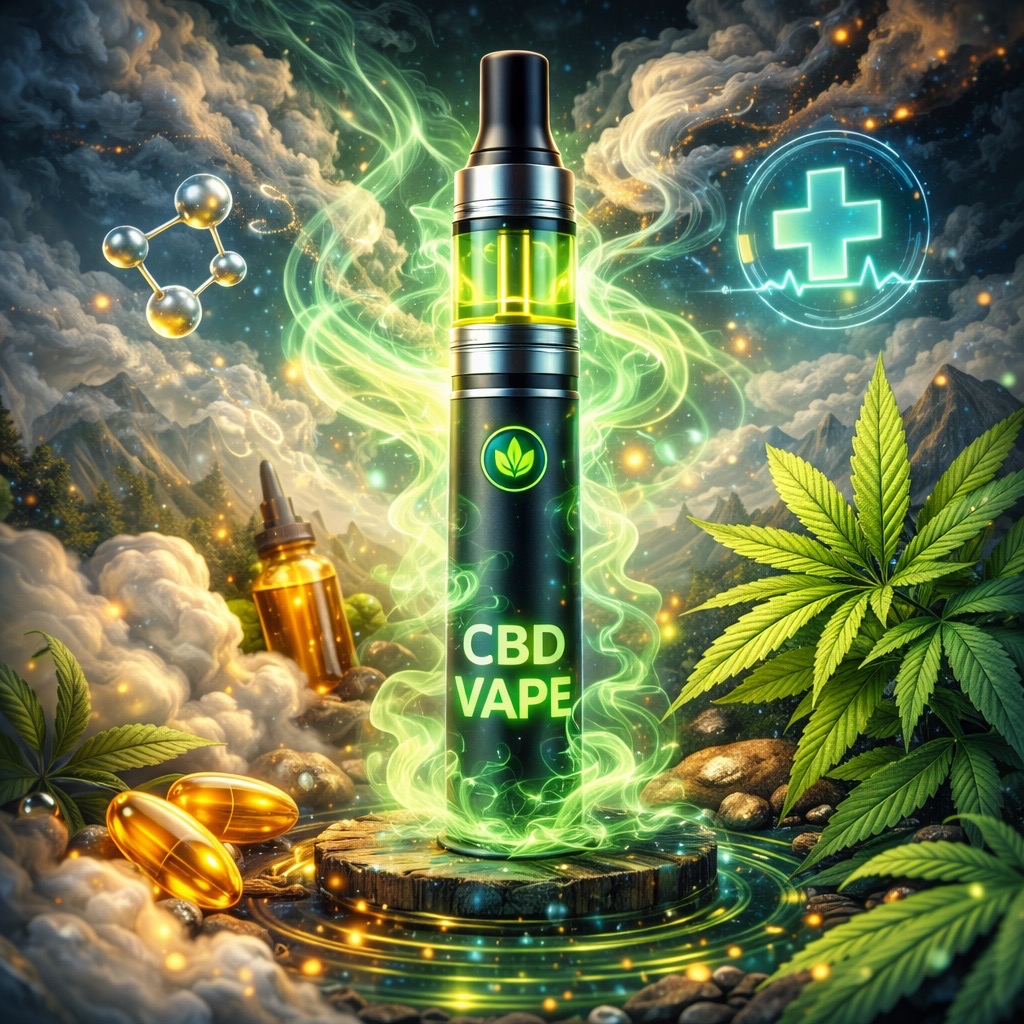
CBD (Cannabidiol) VAPE Liquid
Taking a deep breath, you feel as if you have stepped into a coniferous forest.
Tax included ¥5,720
View product details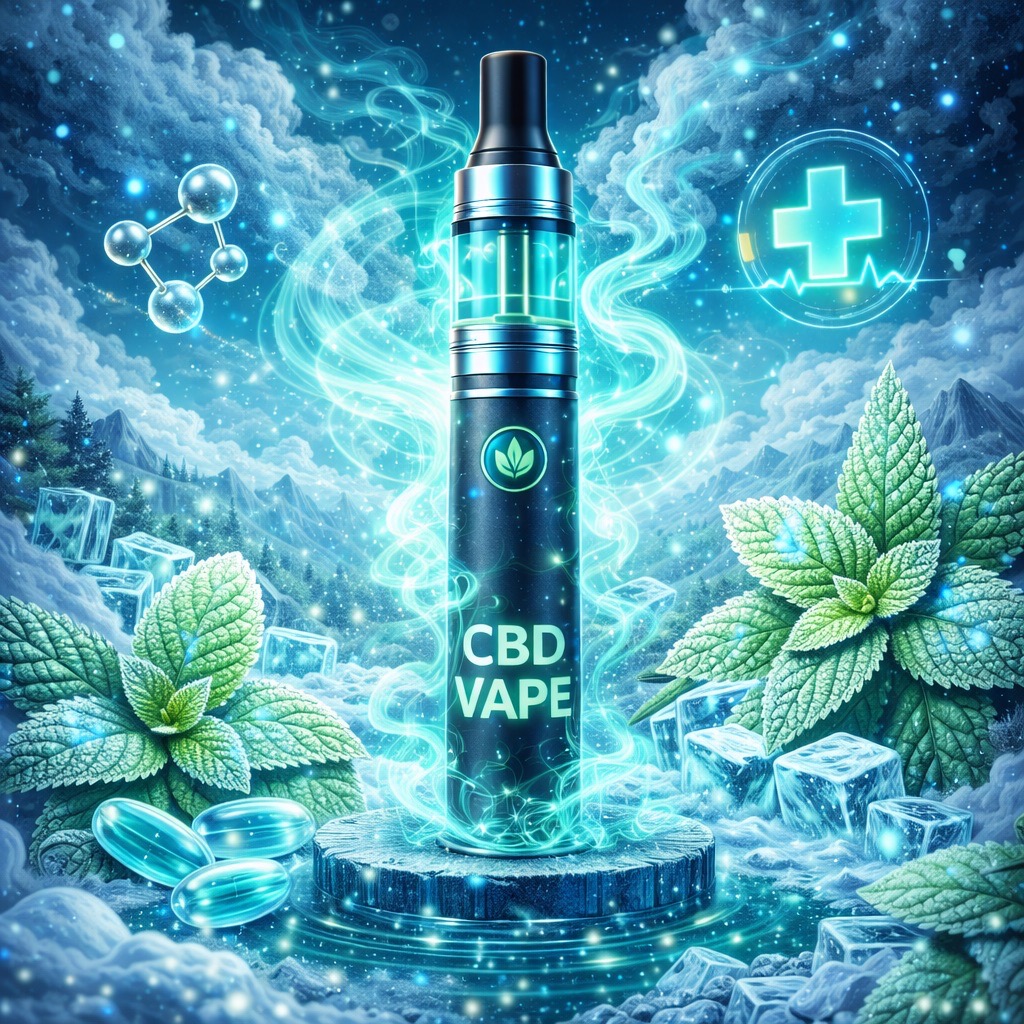
CBD (Cannabidiol) Menthol Vape Liquid
Ice Breath, Silent Gravity
Tax included ¥6,050
View product detailsAfter you understand, take a look at related products.
You can easily find a list of products similar to the themes featured in the article. Use this to compare products and check their details.
Summary
The potential of cannabis in treating mood disorders is an area of research that is attracting attention worldwide. As our understanding of the cannabinoid system improves, it is expected that new therapeutic approaches will be developed.
However, there is currently a lack of evidence regarding long-term safety and efficacy, so a cautious approach is warranted.International Research CollaborationAs this trend progresses, it is hoped that scientifically based discussion and research will also progress in Japan.
We encourage patients and healthcare providers to keep an eye on the latest research trends and make decisions that balance safety and effectiveness. The future of mood disorder treatment may lie in the right combination of traditional and new approaches.
References and Links
- Photo by Stormseeker on Unsplash
Latest articles on medical and health topics
Introduction to Mindfulness Meditation | Experts explain its effects and practice methods
In recent years, mindfulness meditation used in hospitals is based on a method developed in the 1970s by American physician Jon Kabat-Zinn, and has been shown to have various benefits, including stabilizing blood pressure, reducing stress, and improving insomnia...
Personality disorders and cannabis
Personality disorders are a group of mental illnesses characterized by persistent biases in an individual's thought, feeling, and behavior patterns, leading to difficulties in social adaptation. Traditional treatment approaches primarily involve a combination of psychotherapy and pharmacotherapy, but their effectiveness...
About PTSD (Post-Traumatic Stress Disorder) and Cannabis
PTSD (Post-Traumatic Stress Disorder) is a mental illness that develops after a severe traumatic experience. While conventional treatments have shown some effectiveness, treatment resistance and side effects remain persistent challenges...

Comment:
There are no comments yet.