
Article Text
Please comply with the laws and regulations of the country in question regarding the possession and use of drugs.
Legal Regulations Confirmation: 2026-10-16 (Source: Ministry of Health, Labour and Welfare, "One new component of dangerous drugs designated as a controlled substance," Ministry of Health, Labour and Welfare Ordinance No. 24 of 8, Ministry of Health, Labour and Welfare, "Regarding the designation of CBN as a controlled substance," e-Gov Law Search, "Ministerial Ordinance specifying controlled substances as defined in Article 2, Paragraph 15 of the Act on Securing Quality, Efficacy and Safety of Pharmaceuticals, Medical Devices, etc., and medical and other uses as defined in Article 76-4 of the same Act")
Page Version: 1.25
Conflict of Interest: The publisher of this page operates an e-commerce business selling cannabinoid products. This commercial relationship may influence information selection. This page is not intended to sell products and is created as a scientific reference resource. It does not constitute medical advice, a guarantee of product efficacy, a purchase recommendation, or encourage self-diagnosis.
Regarding CBN on this page: Our store does not sell products containing CBN. If we plan to handle such products in the future, we will update this section at that time.
CBN (cannabinol) is derived from the cannabis plant (Cannabis sativa, It is a type of cannabinoid known in relation to L. (Thyme). While it has the same dibenzopyran skeleton as THC, the terpene-derived ring is aromatic, and its molecular formula is C21H26O2, which is four fewer hydrogens than THC. Due to this aromatization, CBN lacks a stereocenter and does not have an enantiomer.
CBN is described more as an oxidative degradation product of THC than as a component directly synthesized by plants. This origin is directly related to the product's storage conditions and the interpretation of analytical values.
In Japan, CBN is a designated drug under the Pharmaceuticals and Medical Devices Act. With the enforcement of the Act on June 1, 2026, CBN, its salts, and substances containing them are regulated. Procedures are in place to approve its use for medical purposes in patients with intractable diseases or disabilities for which there are no alternative treatments.
On this page, you can confirm the following points:
- Chemical identity (molecular formula, CAS, structural differences from THC and CBD)
- The origin of THC degradation and its impact on analytical values.
- How far has research on sleep progressed?
- The status of designated drugs in Japan and the conditions for their use in medical and other applications.
- Search demand observed through our own research and areas where the dataset is not publicly available.
table of contents
- Introduction
- Ingredient name/basic information
- Outline
- Chemical identity
- Basic chemical information
- Isomers and analogues
- Naturally existing
- Differences from market-circulated products
- Generation/Origin
- Biosynthesis
- Semi-synthetic/Synthetic
- History of discovery and research
- Analysis and identification
- Mechanism of action
- Receptors and enzymes
- Level of Evidence
- Research Status
- Areas of research
- Human research
- Data limitations
- Safety
- toxicity
- Drug interactions
- Targets requiring special attention
- Differences from other cannabinoids
- Legal status
- Japan
- History of regulations
- Overseas
- Market and social trends
- Independent research
- Survey method
- データセット
- Search Trends
- Common scale comparison (5 years, current window)
- SNS trends
- YouTube 動画分析(CBN リキッド の収集 run)
- YouTube 月次公開日件数(CBN リキッド・date_filter=all)
- Classification of mentions of X (summary of research pages)
- WITH THE
- About this record
- Update conditions
- Reference Methods Notes
- Evidence grid
- Changelog
- Reference method
- FAQ
- What is CBN?
- Is CBN a component produced by plants?
- Does CBN have an effect on sleep?
- What is the difference between CBN and CBD?
- Is CBN regulated in Japan?
- Is CBN safe?
- Image Attribution
- Total
- Comment:
After you understand, take a look at related products.
You can easily find a list of products similar to the themes featured in the article. Use this to compare products and check their details.
Recommended products
CBD (Cannabidiol) VAPE Liquid
Taking a deep breath, you feel as if you have stepped into a coniferous forest.
Tax included ¥5,720
View product details
CBD (Cannabidiol) Menthol Vape Liquid
Ice Breath, Silent Gravity
Tax included ¥6,050
View product details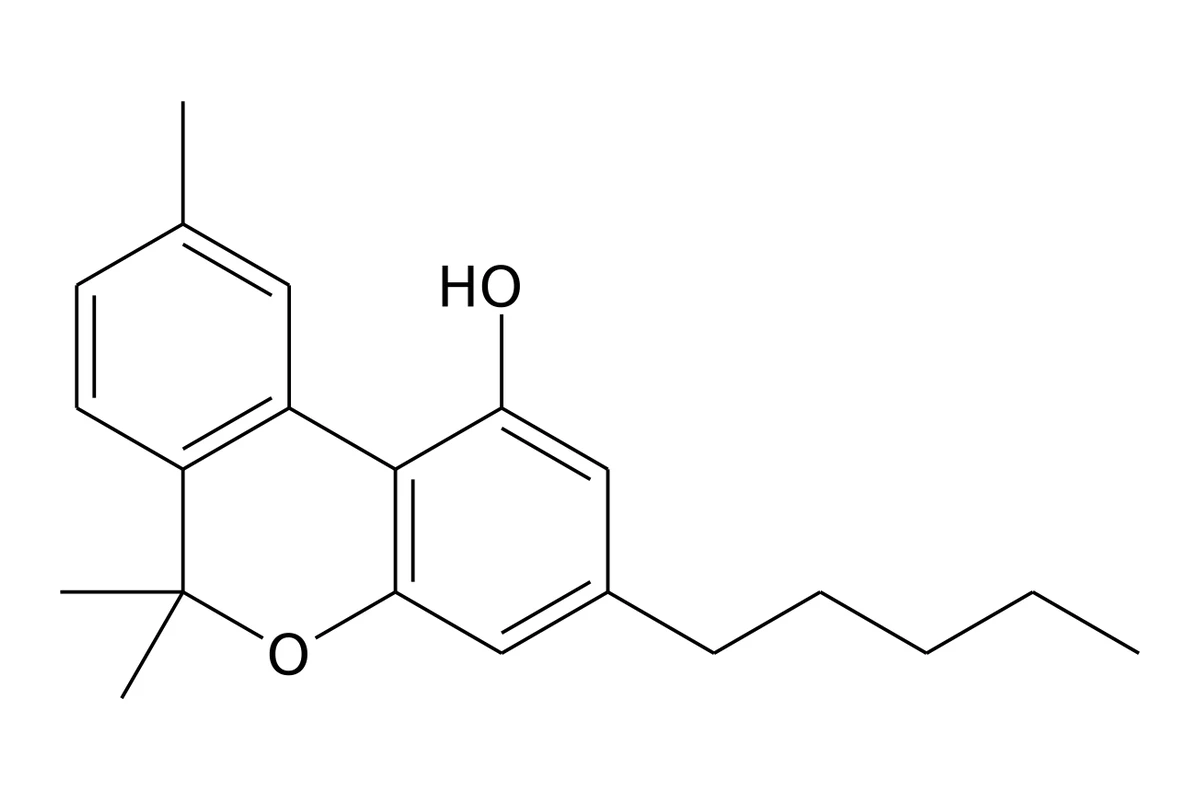
Ingredient name/basic information
| Item | Message | Source |
|---|---|---|
| common name | Cannabinol | Pubchem |
| English name | cannabinol | Pubchem |
| Abbreviation | CBN | Not applicable |
| Molecular formula | C21H26O2 | PubChem / ChEBI |
| Molecular weight | 310.4 g/mol (single isotope mass 310.19) | PubChem / ChEBI |
| CAS RN | 521-35-7 | Pubchem |
| PubChem CID | 2543 | Pubchem |
| ChEBI ID | CHEBI:3360 | ChEBI |
| InChIKey | VBGLYOIFKLUMQG-UHFFFAOYSA-N | PubChem / ChEBI |
| IUPAC name | 6,6,9-trimethyl-3-pentyl-6H-benzo[c]chromen-1-ol | Pubchem |
| Material Classification | Phytocannabinoids (dibenzopyran type) | PubChem / Primary literature |
| Naturally existing | It is found in plant materials. It is mainly described as an oxidative degradation product of THC. | Fairbairn et al. 1976 / Maioli et al. 2022 |
| First report | 1896 (Isolation from Indian hemp resin) | Wood, Spivey & Easterfield 1896 |
This table uniquely defines the entities of matter. The latter half of InChIKey is UHFFFAOYSA This corresponds to the fact that its stereochemistry is undefined. CBN has no stereocenter. CAS 521-35-7 corresponds to this uniquely defined achiral compound.
Outline
Two key differences between CBN and other cannabinoids are crucial to understanding CBN. One lies in the degree of ring saturation. While THC and CBN share the same tricyclic skeleton, the state of the terpene-derived ring differs. In THC, this ring is a partially saturated cyclohexene, while in CBN, it is a benzene ring. This explains the four-hydrogen difference between THC (C21H30O2) and CBN (C21H26O2). Since both maintain a saturated geminal dimethyl carbon at the 6th position of the central pyran ring, the entire CBN molecule is not entirely aromatic.
Another point is its origin. The explanation that "CBN is not synthesized by plants but is produced by the breakdown of THC" has been clearly stated in review articles (Maioli et al. 2022, Walsh et al. 2021). Primary experiments have shown that air oxidation in the dark increases CBN, while light irradiation does not (Fairbairn et al. 1976). Whether a CBN biosynthetic pathway exists within plants remains unresolved.
Sleep has been the area of research that has attracted the most attention. Commercial product descriptions often claim that CBN has effects comparable to those of sleeping pills. However, a systematic search in 2021 concluded that there was insufficient clinical evidence to support this claim at the time (Corroon 2021).
As a subsequent development, two randomized controlled trials administering CBN alone have been published (see "Research Status > Human Studies" for details).
Chemical identity
Basic chemical information
CBN has a structure in which a hydroxyl group is attached to the 1st position, a pentyl group to the 3rd position, two methyl groups to the 6th position, and one methyl group to the 9th position of 6H-benzo[c]chromene. Its molecular formula is C21H26O2 and its molecular weight is 310.4.
The difference from THC lies in the degree of saturation of the terpene-derived ring.
| Item | Δ9-THC | CBN |
|---|---|---|
| Molecular formula | C21H30O2 | C21H26O2 |
| Molecular weight | 314.5 | 310.4 |
| rings derived from terpenes | Partial saturation (cyclohexene) | Aromatherapy (benzene) |
| stereocenter | Yes (6aR, 10aR) | None |
| InChIKey stereochemical layer | Definition available | UHFFFAOYSA(No definition) |
Aromatization alters the properties of molecules. Compared to THC, which has a partially saturated ring, CBN is less susceptible to oxidation. On the other hand, the conversion from THC to CBN itself proceeds through time and heat.
It should be noted that the entire CBN molecule is not aromatic. A saturated geminal dimethyl carbon remains at position 6 of the central pyran ring. The classification dibenzopyran applies to both THC and CBN; what distinguishes them is not the name of the ring system, but the degree of saturation.
Regarding physical properties, logP and solubility are not listed on this page because we were unable to confirm values from primary sources during our investigation.
Isomers and analogues
This document outlines substances that are often confused with CBN. It distinguishes between substances with the same molecular formula and those with similar molecular structures.
| material | Molecular formula | Relationship | Reasons why they are easily confused |
|---|---|---|---|
| Δ9-THC | C21H30O2 | Precursor. It has four more hydrogen atoms. Not an isomer. | They share the same structure. CBN is a breakdown product of THC. |
| CBD | C21H30O2 | One of the decomposition precursors. It has four more hydrogen atoms. It is not an isomer. | They share the same structure. CBN is also produced from CBD. |
| CBND | C21H26O2 | True isomers(Biphenyl type with open rings) | The molecular formulas are identical. The names are similar. |
| CBNA | C22H26O4 | Acidic form of CBN with a carboxyl group attached. | It is necessary to distinguish between the acidic and neutral forms. |
| MH | C19H22O2 | Propyl congeners of CBN (side chain has 3 carbon atoms) | The names are similar. CBN is pentyl (5 carbon atoms). |
| THCV | C19H26O2 | Partial saturation counterpart of CBV | The names end in the same way. |
CBN is not an isomer of THC. The molecular formulas are different (C21H26O2 and C21H30O2). CBN is not an isomer of CBD. On the other hand,CBND is a true isomer of CBN.They have the same molecular formula. Their similar names often lead to confusion.
CBV is a propyl congener of CBN. Just as the relationship between THCV and THC is determined by the number of carbon atoms in the side chain, the relationship between CBV and CBN is also determined by the side chain. CBV is on the aromatic side, and THCV is on the partially saturated side.
Naturally existing
Although CBN is found in plant materials, its origin differs from that of other major cannabinoids. Several reviews explain that it is not directly synthesized by plants but is mainly produced by the oxidative degradation of THC (Maioli et al. 2022, Walsh et al. 2021).
There is a primary experiment that supports this explanation. In a study that stored hashish and plant materials, the increase in CBN wasOxidation in the air in the darkThis reaction occurred due to oxidative stress, but not with light irradiation (Fairbairn et al. 1976). The mechanism of degradation has been described as oxidative dehydrogenation of the terpene-derived ring (Garrett et al. 1978).
There are still unresolved issues regarding its production within plants. CBNA, the acidic form of CBN, exists as a compound, and its synthesis and spectroscopic identification have been reported (Bastola et al. 2007). However, this report concerns synthesis and identification, and does not indicate the abundance of CBNA in plant material. The biosynthetic pathway leading to CBN has not been identified, and whether it is produced within plants remains unconfirmed in the research on this page.
The content depends on storage conditions. In investigations of seized cannabis in Japan, a CBN-to-THC ratio of 0.1 or less is used as an indicator of "freshness" (Tsumura et al. 2012). This indicates that CBN is used in practice as an indicator of long-term storage and THC degradation.
The typical concentration of CBN in dried flower spikes has not been confirmed in the research conducted on this page. Since the content reflects changes in the sample over time, presenting a single value would be misleading.
Differences from market-circulated products
CBN-containing products on the market include those using highly purified CBN isolates, products containing multiple cannabinoids, and those derived from raw materials containing THC.
In purified CBN products, residual THC is a concern. Since CBN is a THC degradation product, residual THC may be present depending on the source of the raw materials. Products used in toxicity assessments are explicitly stated to be highly pure isolates that are substantially THC-free (Bauter et al. 2026).
Analytical studies of unregulated CBD products have shown that CBN is one of the most frequently detected components (Johnson et al. 2025). Even if CBN is listed on the label, it is not possible to determine from the label alone whether it is added CBN or CBN produced by the breakdown of the raw materials.
Generation/Origin
Biosynthesis
The origin of CBN is explained by a different pathway than that of other major cannabinoids.
Δ9-THCA (synthesized by plants) ↓ Decarboxylation Δ9-THC ↓ Oxidative dehydrogenation (darkness, air, time) CBN
A pathway originating from CBD has also been reported. It has been suggested that CBN is not produced directly from plant metabolic pathways, but rather as an oxidative degradation product of CBD and THC (Bauter et al. 2026).
In a primary experiment, it was shown that the increase in CBN when hashish and plant materials were stored was due to air oxidation in the dark (Fairbairn et al. 1976). The effect of storage temperature has also been measured, showing that THC decomposition and CBN production proceed at room temperature, while this is suppressed at low temperatures (Majumdar et al. 2026).
The process of its production within plants remains unresolved. While CBNA, the acidic form of CBN, exists as a compound, reports on its synthesis and identification focus on its abundance in plant material (Bastola et al. 2007). No identified biosynthetic pathway has been reported.
Semi-synthetic/Synthetic
Commercially available CBN is supplied both through isolation from plant materials and through conversion from CBD or THC.
In the production of reference materials, there is a challenge in that isolation from plants alone does not yield sufficient quantities. The shortage of certified reference materials (CRMs) has been reported to be particularly pronounced for minor cannabinoids such as CBN (de Carvalho et al. 2026). In this study, a pathway that converts Δ9-THC to CBN via iodine was used, and it is said that the yield was more than 10 times higher than that obtained by isolation from plants.
History of discovery and research
1896Wood, Spivey, and Easterfield isolated a substance they named "cannabinol" from the resin of Indian hemp (Wood, Spivey & Easterfield 1896). It is one of the earliest cannabinoids to be isolated. However, its structural identity with what is now called CBN was not confirmed at this point, but was confirmed by a structural report in 1932 and synthesis and isomer studies in 1940.
1899The same authors continued their report as "Cannabinol. Part I" (Wood, Spivey & Easterfield 1899).
1932Cahn reported on the structure of cannabinol (Cahn 1932).
1940Adams et al. confirmed the structure by preparing and synthesizing isomers of CBN (Adams et al. 1940a, 1940b).
1964Gaoni and Mechoulam determined the structure of Δ9-THC and clarified its relationship with CBN.
1976The stability during storage was investigated, and it was shown that CBN increases due to air oxidation in the dark (Fairbairn et al. 1976).
1987The pharmacokinetics of a single-dose administration in humans have been reported (Johansson et al. 1987).
1997Receptor binding and adenylyl cyclase inhibition of CBN derivatives have been reported (Rhee et al. 1997).
2010CBN inhibition of cytochrome P450 has been reported (Yamaori et al. 2010).
2021A systematic study focusing on the effects of CBN on sleep was published, highlighting the lack of clinical evidence at the time (Corroon 2021).
2024A randomized controlled trial targeting adults with poor sleep quality has been published (301 enrolled participants, 293 included in the analysis; Bonn-Miller et al. 2024).
2025The effects of CBN and its metabolites on the sleep structure in rats have been reported (Arnold et al. 2025).
2026A randomized controlled crossover trial involving 20 patients with insomnia was published (Lavender et al. 2026). In the same year, an oral toxicity evaluation of CBN isolates was published (Bauter et al. 2026).
Analysis and identification
For the quantitative determination of cannabinoids, various methods are used depending on the analyte and purpose, including LC-MS/MS, HPLC-UV/DAD, and GC-MS. CBN can be distinguished from THC by precise mass analysis because their molecular formulas are different. On the other hand, Δ8-THC and Δ9-THC have identical molecular formulas and cannot be distinguished without chromatographic separation.
CBNs can be generated during the analysis.This point is a specific consideration for this substance. Studies analyzing Δ9-THC, CBN, and CBD in hair using LC-MS/MS have reported artifacts where CBN is generated by the decarboxylation of Δ9-THCA-A in the ion source followed by partial oxidation (Scholz et al. 2022). Failure to distinguish between CBN originally present in the sample and CBN generated during the analysis process will lead to an overestimation of the content.
In practical separation applications, simultaneous analysis methods for multiple components including CBN, Δ8-THC, and Δ9-THC have been reported (Casati et al. 2026). For quantitative analysis without the use of standard materials, a method using ¹H qNMR has also been reported (Dadiotis et al. 2022).
Availability of reference standardsThis is a practical constraint. The shortage of certified reference materials, particularly for minor cannabinoids such as CBN, has been identified as a major analytical challenge (de Carvalho et al. 2026).
In Japan, CBN is designated as a controlled substance, making the meaning of testing and labeling crucial. What is measured in a controlled substance test and what is written on the product label are separate pieces of information. The interpretation of COA will be covered later in "Our Own Research > COA".
Mechanism of action
Receptors and enzymes
Receptor activity (binding affinity) and actual effects in humans are two different things. This section summarizes research findings and does not indicate the efficacy of the product.
| Target | Types of activity | Values and findings | Measurement system | Level | Source | Verification |
|---|---|---|---|---|---|---|
| CB2 | Bond (Ki) | 96.3 ± 14 nM | Cloned human CB2-expressing cells | L4 | Showalter et al. 1996 | Confirmed in the summary |
| CB1 | Bond (Ki) | 211–392 nM (varies depending on the experimental system) | Rat brain synaptosomes, COS-7 | L4 | Rhee et al. 1997 | Text only |
| CB2 | Bond (Ki) | 126.4 nM | COS-7 | L4 | Rhee et al. 1997 | Text only |
| CB1 / CB2 | Partial agonist (low affinity) | A partial agonist with low affinity for both receptors. It has relatively high affinity for CB2. | Review | L4 | Bauter et al. 2026 | Unverified |
| CB1 | Features | Adenylyl cyclase inhibition via CB1 is weaker than that via THC. It is equivalent via CB2. | vitro | L4 | Rhee et al. 1997 | Text only |
| CB1 | Function (EC50) | Adenylyl cyclase inhibitor EC50 120 nM | vitro | L4 | Rhee et al. 1997 | Text only |
| CB2 | Function (EC50) | Adenylyl cyclase inhibitor EC50 261 nM | vitro | L4 | Rhee et al. 1997 | Values have been verified. |
| TRPA1 | Agonist and desensitizer | EC50 approx. 180 nM | vitro | L4 | De Petrocellis et al. 2011 | Unverified |
| TRPM8 | Antagonist | IC50 approx. 210 nM | vitro | L4 | De Petrocellis et al. 2011 | Unverified |
| TRPV1 / TRPV3 | Agonist (low sensitivity) | EC50 6,200 nM / 5,300 nM | vitro | L4 | De Petrocellis et al. 2011 | Unverified |
| TRPV1 | CGRP release | CGRP is released from perivascular sensory nerves independently of CB1/CB2. | in vitro (animal tissue) | L4 | Zygmunt et al. 2002 | Unverified |
| TRPV1 | Anti-inflammatory | Suppression of IL-31 release via TRPV1 | Human keratinocyte | L4 | Di Meo et al. 2025 | Unverified |
| CYP1A2 | Inhibition (Ki) | 0.079 µM (CYP1B1 0.148 µM, CYP1A1 0.541 µM) | Human liver microsomes | L4 | Yamaori et al. 2010 | Unverified |
| CYP2C9 | Inhibition (Ki) | 0.882–1.29 µM | Human liver microsomes | L4 | Yamaori et al. 2012 | Unverified |
| PXR | activation | Activates human PXR 17-fold at 10 µM. Minimum effective concentration: 0.3 µM | vitro | L4 | Lau & Chang 2026 | Unverified |
| ABCG2 / ABCC1 / P-gp | Inhibition | Inhibited by plant cannabinoids | vitro | L4 | Holland et al. 2007 / Zhu et al. 2006 | Unverified |
| UGT | Inhibition | Inhibited by cannabinoids and metabolites | vitro | L4 | Nasrin et al. 2021 | Unverified |
The "Verification" column indicates how far back in the original source was checked when creating this page."Unmatched" does not mean that the value is incorrect. This means that it has not been confirmed in the abstract or main text.
Values marked as "unverified" should not be cited as verified data. This page includes identifiers (DOI / PMID) that allow you to access the original source,Being able to reach a value does not mean that the values match. When citing, verify the information against the original source's numerical table.
The conditions for the numerical values vary depending on the source. Ki and EC50 are different quantities, and their values cannot be directly compared unless the receptor, measurement system, and radioligand are the same. For example, the CB1 values in Rhee et al. 1997 were obtained from both rat brain synaptosomes and COS-7 expressing cells and are shown as a range.Do not combine values from different studies as if they were a single value measured under the same conditions.
CBN is a partial agonist with low affinity for CB1 and CB2, and relatively high affinity for CB2.The absolute value of Ki depends on the experimental setup. A meta-analysis of 211 studies concluded that the validity of reported values for CBN was not supported by sensitivity analysis (McPartland et al. 2007). The values in the table above are those under the conditions of each primary study.
Unidentified target on CBNThis should be clearly stated. Regarding 5-HT1A receptors, adenosine receptors, GABA-A receptors, and opioid receptors, no binding studies directly targeting CBN were found in this page's search. While these are sometimes attributed to CBN in commonly available descriptions, the descriptions of 5-HT1A and adenosine relate to CBD and CBC, respectively. A weak agonist effect on PPARγ (EC50 approximately 25 µM) is listed in databases, but the corresponding primary source has not been verified.
Level of Evidence
L1 to L4 are classifications unique to this page. This was established to indicate the type of source to the reader, rather than using an external standard scale. The approximate correspondence is as follows:
| Level | Meaning on this page | An example |
|---|---|---|
| L1 | Human intervention research | Randomized controlled trial, controlled trial |
| L2 | Human observational research | Case reports, epidemiological surveys |
| L3 | animal research | Behavior and physiology in mice and rats |
| L4 | in vitro / in silico | Receptor binding, cells, enzymes, computation |
The classification isReport TypeIt showsThis does not indicate the certainty of the results or the magnitude of the effect. Even within the same L4 category, some values have been replicated, while others have only been reported once. Similarly, in L1 studies with small sample sizes, estimation accuracy is limited depending on the evaluation item, and caution is needed when generalizing results.
- Binding affinity (L4)Binding to human CB1 and CB2 has been measured in vitro. The values are system-dependent, and the validity of the numerical values has not been supported by integrated analysis.
- Functional activity (L4, partially L3)Partial agonism at the receptor level, action on TRP channels, and inhibition of cytochrome P450 have been reported. In mice, CBN completely replaced Δ9-THC, leading to tolerance and withdrawal symptoms (Vanegas et al. 2026). There are also reports of partial replacement (Wiley et al. 2024).
- Effects on sleep (L1)There are two randomized controlled trials of CBN monotherapy. Neither of them achieved statistical significance in its primary endpoint or primary evaluation.
- Receptor occupancy in humans (not applicable)No studies measuring CBN receptor occupancy in humans were found in the research on this page.
It is not possible to estimate the effects in humans from binding data. Low receptor activity of CBN does not necessarily mean that it has little effect in humans. A pathway involving the contribution of metabolites has been suggested. Among the metabolites of CBN, CBN-11-OH has been identified as the major metabolite, and it has been reported that CBN and its metabolites antagonize CB1 and CB2 (Kundu et al. 2025).
Research Status
Areas of research
CBN research is spread across various areas including sleep, pain and inflammation, skin, and metabolism. Sleep is the central focus.
In the field of sleep, both animal studies and human trials exist. In rats, CBN has been reported to increase total sleep time and both NREM and REM sleep (Arnold et al. 2025). In humans, two randomized controlled trials have been conducted, as described below.
In the field of pain and inflammation, reports are primarily focused on the receptor and cellular levels. CBN has been reported to act as both a TRPA1 agonist and desensitizer, antagonizing TRPM8 (De Petrocellis et al. 2011). In human keratinocytes, CBN has been reported to suppress IL-31 release via TRPV1 (Di Meo et al. 2025).
In the field of skin, in vitro studies using human cells are the main focus. In the field of metabolism, it has been reported that CBN inhibits CYP1A2, CYP1B1, and CYP1A1 (Yamaori et al. 2010).
Research in the field of epilepsy has not been confirmed in the investigation on this page. Clinical development for epilepsy being carried out with CBD and CBDV cannot be applied to CBN.
Human research
Clinical trialSearch for CBN on ClinicalTrials.gov (cannabinol19 entries were found (as of October 15, 2026). This is not an exhaustive search.
Trials in which registration data confirmed that CBN was the primary intervention.
| Registration number | Target | phase | sponsor | Number of registrations | Type | Status | Publication of results |
|---|---|---|---|---|---|---|---|
| NCT05344170 | Insomnia (CBN 30 mg/300 mg) | Phase 1 / Phase 2 | Woolcock Institute of Medical Research | 20 | Achievements | Completed (2022-2023) | None (published as a paper) |
| NCT05839964 | Sleep quality (CBN 20 mg, CBN and CBD) | Phase 1 / Phase 2 | Canopy Growth | 301 | Achievements | Completed (2022) | None (published as a paper) |
| NCT04908215 | Epidermolysis bullosa (CBN topical cream) | Phase 2 | InMed Pharmaceuticals | 19 | Achievements | Completed (2021-2023) | None |
| NCT03675971 | Pain after total knee replacement | Phase 2 / Phase 3 | Unity Health Toronto | 220 | plans | Condition unknown | None |
| NCT04992962 | Pain from osteoarthritis of the knee | Phase 2 | Pure Green | 66 | plans | Condition unknown | None |
| NCT05961501 | Facial pain and headaches (CBD and CBN) | Phase 2 / Phase 3 | Wroclaw Medical University | 42 | plans | Recruitment by invitation | None |
Trials whose composition or intervention classification cannot be determined.
| Registration number | Target | phase | sponsor | Number of registrations | Type | Status | Publication of results |
|---|---|---|---|---|---|---|---|
| NCT05212402 | Physiological, biochemical, and psychological indicators of healthy individuals | Not applicable | University of South Carolina | 56 | Achievements | Done | None |
These two tables represent different levels of probability. The table above lists entries in the registration information where CBN can be identified as the primary intervention. The table below separates entries where this interpretation is not valid.
Reservations are needed regarding the classification of NCT05212402. The intervention section of the registration lists two groups: "Cannabinol" and "Placebo," and the primary outcome measures include blood tests, inflammatory markers, sleep quality, mood, and pain scales. On the other hand, the official title of the registration is "Hemp-derived."CannabidiolThis is written as an evaluation of the "product".The name of the intervention and the title do not match. Since the registration information does not show the composition of the ingredients, this page cannot determine whether this test evaluated CBN alone, a composite product containing CBN, or whether CBN was not the subject of evaluation.For a study to be treated as one in which CBN is the primary intervention, the composition must be confirmed by the authors or manufacturers. The publication of the results has not yet been confirmed.
The number of participants is based on the values from the registered website (as of October 16, 2026). The registered website maintains separate records for actual and estimated values, and this table follows that distinction.The number of registered users may not match the number of people analyzed in published literature. For example, the registration number for NCT05839964 is 301, but the corresponding published paper (Bonn-Miller et al. 2024) analyzed 293 individuals. The difference is likely due to exclusions or missing data, but the reason is not confirmed on this page.
The results for the seven cases individually reviewed on this page have not yet been confirmed to be publicly available on ClinicalTrials.gov. However, some of the trial results have been published as peer-reviewed papers.
Published human trials :
- Lavender et al. (2026, Insomnia, 20 subjects, NCT05344170): A randomized, double-blind, placebo-controlled, three-arm crossover trial. Participants received a single oral dose of 30 mg or 300 mg of CBN and were evaluated by overnight polysomnography. The primary endpoint, sleep-wake time, was -6.3 minutes (95% confidence interval -18.2 to +5.5, p=0.29) with 300 mg and -4.0 minutes (-15.9 to +7.9, p=0.50) with 30 mg, neither of which was statistically significant. Secondary endpoints reported with 300 mg included increased NREM stage 2 sleep (p=0.03), improved subjective sleep quality (p=0.005), reduced sleep latency (p=0.004), and decreased electroencephalometric arousal index (p=0.02). A total of 247 mild to moderate adverse events were recorded across all groups. The study involved a single dose, 20 subjects, and an overnight stay.
- Bonn-Miller et al. (2024, Adults with poor sleep quality, 301 enrolled, 293 included in analysis, NCT05839964): A double-blind, randomized controlled trial. Adults who self-reported poor or very poor sleep quality were administered CBN for 7 consecutive nights. With 20 mg of CBN, improvement in sleep quality was not statistically significant (odds ratio 2.26, 95% confidence interval 0.93–5.52, p=0.082). However, a reduction in nighttime awakenings (p=0.025) and overall sleep disturbance (p=0.023) were reported. There was no effect on sleep latency, sleep-wake time, or daytime fatigue. Concomitant use of CBD did not enhance the effects of CBN.
- Johansson et al. (1987, 6 male cannabinoid users): Pharmacokinetics of a single dose of deuterium-labeled CBN. Comparing intravenous administration of 20 mg with smoking of 19 mg, the reported plasma clearance was 19.1 ± 2.6 mL/min/kg, distribution volume 50 ± 23 L/kg, and terminal half-life was 32 ± 17 hours for intravenous administration and 43 ± 29 hours for smoking. The long half-life indicates that CBN and its metabolites can remain in the body for a long time.
- Karniol et al. (1975, 5 male subjects): Oral administration of 50 mg of CBN alone did not produce any subjective cannabinoid-like effects in the subjects. Drowsiness was reported only when CBN was used in combination with Δ9-THC. The "drowsiness" findings on which explanations for sleep have been based originated from the combination condition, not from CBN alone.
- Hollister et al. (1975): Combining 20 mg of Δ9-THC with 40 mg of CBN did not produce any detectable changes in the quality, intensity, or duration of the Δ9-THC effect.
- Kishi et al. (2026, Narrative Review): Reviewed the effects of cannabinoids, including CBN, on the psychotropic domain and concluded that the evidence for CBN is minimal and insufficient to support clinical recommendations.
Data limitations
The current state of research has the following limitations:
- Human trials of CBN monotherapy with confirmed results are limited to sleep evaluations. There are two randomized controlled trials, both evaluating sleep or sedation.Based on what we were able to confirmNo published human trials targeting pain, inflammation, epilepsy, neuroprotection, or psychiatric disorders have been found.
- On the other hand, there are registered trials in areas other than sleep whose results have not yet been published. Pain after total knee replacement (NCT03675971, 220 registered cases, status unknown), pain from osteoarthritis of the knee (NCT04992962, 66 registered cases, status unknown), and epidermolysis bullosa (NCT04908215, 19 registered cases, completed) have been registered.The registration, implementation, publication of results, and verification of effectiveness of the trial are all separate stages. Registration does not mean that results have been obtained. Tests for which the results have not been made public will be treated as "unconfirmed" under this distinction.
- The primary endpoints were not statistically significant in any of the sleep studies. Differences were reported in some of the secondary endpoints: one study involved a single dose, 20 participants, and a 1-night stay, while the other involved a 7-night stay.
- Human safety data for long-term administration and doses exceeding 300 mg are available.This information was not confirmed in the investigation on this page.The same applies to safety studies involving chronic administration.
- Regarding abuse liability and addiction, human studies have shown thatThis information was not confirmed in the investigation on this page.Resistance and withdrawal findings are limited to mice (Vanegas et al. 2026).
- Data on drug interactions in humans are limited. Interactions with melatonin have been shown in vitro and in mice (Anderson et al. 2025).
- A Phase 2 trial for epidermolysis bullosa (NCT04908215, 19 participants) has been completed, but the publication of the results in a peer-reviewed paper has not yet been confirmed.
- Safety assessments by regulatory authorities specific to CBN are unconfirmed. The EFSA assessed CBD isolate, not CBN.
- No human studies have been found in Japan.
- No studies have measured receptor occupancy in humans. The pathway linking in vitro binding levels to human action has not been identified.
- Major sleep studies suggest that the activity of CBN metabolites is higher than that of CBN itself (Arnold et al. 2025). The effects may not be fully explained by the blood concentration of the parent compound alone. There are also reports that CBN-11-OH is the major metabolite, and that CBN and its metabolites antagonize CB1 and CB2 (Kundu et al. 2025).
- Oral toxicity assessments are reports for products from a single manufacturer (Bauter et al. 2026). Independent replication studies are needed.
Safety
This information is based on verified research and public data. This section is not a substitute for medical advice. Consult a healthcare professional if you have any health concerns.
toxicity
In oral toxicity studies using rats, repeated dose studies were conducted for 14 and 90 days. Doses were 0, 100, 200, and 400 mg/kg/day, and no findings attributable to the test substance were reported in terms of clinical signs, body weight, food intake, motility, clinicopathology, or macroscopic and histopathological changes. A no-observed-adverse-effect level (NOAEL) of 400 mg/kg/day was concluded from the 90-day study (Bauter et al. 2026).
This test is specific to products from a single manufacturer. The same figures cannot be applied to other formulations or manufacturing processes.
In evaluations using human hepatocytes, CBN was classified as having the lowest potential for hepatotoxicity compared to CBD, CBC, and CBG. However, morphological changes were observed at 3 µM and 4.7 µM concentrations on day 7, suggesting that toxicity may occur at higher exposures (Larson et al. 2025). These are in vitro findings and do not directly translate to safety assessments in humans.
Some reports express safety concerns. Studies using nervous system cell cultures have reported that CBN, along with CBDV and CBG, exhibited cytotoxicity (Rosenthaler et al. 2014). This finding did not correlate with receptor binding affinity, suggesting the involvement of another mechanism.
Adverse events have been reported in human trials. In a crossover study of 20 insomnia patients, 247 mild to moderate adverse events were recorded across all groups (Lavender et al. 2026). This indicates that events can be recorded even in single-dose trials.
In mice, repeated administration of CBN has been reported to induce tolerance to catalepsy, analgesia, and hypothermia, as well as cross-tolerance to CB1 and CB2 agonists, and withdrawal symptoms have been reported with rimonabant administration. In drug discrimination tasks, there are reports that CBN completely substituted Δ9-THC (Vanegas et al. 2026) and reports that it partially substituted (Wiley et al. 2024).Even in the same drug discrimination task, the conclusions differ between complete substitution and partial substitution. This is based on animal studies and does not directly indicate dependence in humans.
"It is safe" and "No adverse events have been reported" are two different claims. The NOAEL mentioned above is a value for a specific formulation, a specific animal species, and over a 90-day period.
Drug interactions
The values and actions of CYP1A2, CYP2C9, PXR, transporters, and UGT discussed in this section are categorized as "unmatched" in the matching column of the receptor/target table above. While identifiers that allow access to the original source are provided, this page does not include verification of the values as they have been properly matched with the numerical tables in the original text.
CBN has been reported to inhibit multiple cytochrome P450 isoforms. In a study using human liver microsomes, CBN competitively inhibited CYP1A2 by Ki 0.079 µM, CYP1B1 by 0.148 µM, and CYP1A1 by 0.541 µM (Yamaori et al. 2010). It has also been reported to inhibit CYP2C9 by Ki 0.882–1.29 µM (Yamaori et al. 2012).
CBN activates PXR (Lau & Chang 2026). PXR activation can lead to a decrease in the blood concentration of concomitant drugs through CYP3A4 induction. The simultaneous occurrence of inhibition and induction makes predicting interactions difficult.
The metabolic pathway of CBN itself also depends on the same molecular species. In human liver microsomes, CBN is primarily metabolized to the 11-hydroxy and 8-hydroxy forms. It has been reported that hydroxylation at the 11-position is catalyzed by CYP2C9, and hydroxylation at the 8-position is catalyzed by CYP3A4 (Watanabe et al. 2007). Because CBN also inhibits these molecular isoforms, the blood concentrations of CBN and the concomitant drug can mutually influence each other when used with drugs metabolized into the same molecular isoform.
One example of a specific interaction being investigated is melatonin. CBN strongly inhibits the metabolism of melatonin via CYP1A2, resulting in a fourfold increase in oral bioavailability and plasma exposure of melatonin in mice (Anderson et al. 2025). This study is in light of the fact that products combining CBN and melatonin are commercially available.No human trials have been conducted.
Effects on transporters have also been reported. Plant cannabinoids have been shown to inhibit ABCG2, ABCC1, and P-glycoprotein (Holland et al. 2007, Zhu et al. 2006). Inhibition of UDP-glucuronosyltransferase has also been reported (Nasrin et al. 2021).
No studies on drug interactions of CBN in humans have been found. All of the above findings are from in vitro or animal studies.
The lack of a basis for judgment cannot be treated as a justification for safety. The impact of concomitant medications cannot be evaluated at this time.
Targets requiring special attention
- Pregnant and breastfeeding women: Safety data for CBN are as follows:This information was not confirmed in the investigation on this page..
- Minors: Data on children and adolescents using CBN are available.This information was not confirmed in the investigation on this page..
- Individuals with impaired liver function: Morphological changes at high concentrations have been reported in human hepatocytes (Larson et al. 2025). Pharmacokinetic data for CBN are also limited.
- For individuals with impaired renal function: Pharmacokinetic data for CBN is limited, making it impossible to assess its effects.
- For individuals using multiple medications: CBN inhibits multiple CYP isoforms and activates PXR. The effects of concomitant use with drugs metabolized by CYP1A2 and CYP2C9, particularly melatonin, have not been established.
- People using sleeping pills or sedatives: CBN has been reported to affect sleep structure in animals, but the effects of concomitant use have not been investigated.
- Individuals with a history of schizophrenia or other mental illnesses: Effects on the central nervous system have been reported. Δ9-THC-like effects and withdrawal symptoms have been reported in animals (Vanegas et al. 2026). Individual risk assessment is necessary.
- For drivers and machine operators: Human data evaluating the effects of long-term administration on function and the following day are limited. The terminal half-life has been reported to be 32–43 hours (Johansson et al. 1987).The terminal half-life is a pharmacokinetic indicator that shows the process of elimination from the body, and does not mean that the effects on sleep or other clinical effects continue for the same amount of time.
Instructions regarding dosage and administration methods are not covered on this page. Consult a healthcare professional if you are considering using this medication.
Differences from other cannabinoids
Since there is no direct comparative data between individuals, we will not rank them as "strong" or "weak." We will organize them using comparable axes.
| 軸 | CBN | Δ9-THC | CBD | MH |
|---|---|---|---|---|
| side chain | Pentil (C5) | Pentil (C5) | Pentil (C5) | Propyl (C3) |
| Molecular formula | C21H26O2 | C21H30O2 | C21H30O2 | C19H22O2 |
| Terpene ring | aromatization | partial saturation | partial saturation | aromatization |
| stereocenter | None | drop-off service | drop-off service | None |
| Origin | Mainly THC breakdown products | Plants synthesize | Plants synthesize | THC-type breakdown products |
| Human trials of sleep | Yes (Main evaluation not met, 2 reviews) | Research available | Research available | unconfirmed |
| Legal treatment (Japan) | Designated Substances (Effective June 1, 2026) | drug | There is no independent designation for this ingredient. Product handling is determined by the part of the raw material used and the amount of residual THC. | This page is unconfirmed. |
CBN and CBD have different molecular formulas (they differ by four hydrogen atoms). Although their names are similar and they are sometimes confused, they are different substances. CBN and THC also have different molecular formulas. The only substance whose molecular formula matches CBN is CBND.
Legal status
Japan
Date of verification: 2026-10-16
CBN is under the Pharmaceuticals and Medical Devices ActDesignated drugsDesignated drugs are prohibited from being manufactured, imported, sold, given away, possessed, purchased, acquired, or used for purposes other than medical use.
The designation of CBN is based on chemical names, not on a range of substituents. The current ministerial ordinance stipulates the following (as written in the original text):
6,6,9-trimethyl-3-pentyl-6H-dibenzo[b·d]pyran-1-ol and its salts
In the section defining medical and other uses, "materials containing these" is added.
This structure lacks the tetrahydro prefix. This means that the terpene-derived ring is unsaturated, corresponding to the aromatic skeleton of CBN. Since THC is defined as the same skeleton with a tetrahydro prefix, the two are distinguished as separate substances in ministerial ordinances.
Medical and other uses
The medical and other uses of designated drugs are limited to those specified by ministerial ordinance. The ministerial ordinance specifying these uses lists the following two uses for CBN (as stated in the original text):
- For academic research or testing purposes. Except when used on the human body.
- Uses of cannabis for processing by harvesters and growers who have obtained a license under the law regulating the cultivation of cannabis.
The framework for patients to use CBN-containing products is stipulated in procedures set forth by the Ministry of Health, Labour and Welfare, separate from the use of this ministerial ordinance.Patients diagnosed with an intractable disease or disorder for which there are no alternative treatments.However, the continuous use of CBN-containing products is permitted after following the prescribed procedures (Ministry of Health, Labour and Welfare, "Regarding the Designation of CBN as a Designated Drug").
This framework has conditions.
- The documents that the patient or their representative submits to the Ministry of Health, Labour and Welfare are: "Report on Use for Medical Purposes," "Medical Certificate," and "Request for issuance of opinion papers to academic societies, etc.It is.
- It is academic societies and similar organizations that issue opinion papers. The request form is sent from the Ministry of Health, Labour and Welfare to academic societies, etc., and the Ministry of Health, Labour and Welfare accepts the opinion letters issued by these societies, etc. Patients do not prepare the opinion letters themselves.
- The "Report on Medical and Other Uses" must include the CBN-containing product used (product name, volume, CBN content, manufacturer's name, etc.).
- After completing the necessary procedures, you will receive a "Confirmation Certificate Regarding the Use of Designated Drugs." This certificate has an expiration date, which is December 31st of the year after next, starting from the year in which it was issued.
- If you use a different CBN product within the validity period of the confirmation certificate, you do not need to go through the procedure again.
- If you wish to continue using the confirmation certificate after its expiration date, you must go through the new application process. The medical certificate must be issued within six months of the date of submission.
- When purchasing CBN-containing products, patients must present their identification card in addition to the confirmation form to the seller or retailer.
- Only guardians, parents, or other relatives are permitted to act on behalf of patients if the patient is a minor or if they are unable to perform the procedures or make purchases due to illness or disability.
- Businesses that import, manufacture, sell, or distribute CBN-containing products are also required to follow the prescribed procedures.
- Product acquisition should be kept to a minimum, and measures must be taken to prevent theft and unauthorized removal.
The information provided here outlines the legal framework and does not constitute an endorsement of use or acquisition. CBN is regulated as a substance that may cause health hazards if used on the human body.
Penalties
Penalties for manufacturing, importing, selling, giving away, possessing, purchasing, receiving, or using for purposes other than medical use vary depending on the type of act.
- As a business, when manufactured, imported, sold, given away, or possessed (of which the article states "when possessed")Limited to storage and display for the purpose of sale or distribution.This offense is punishable by imprisonment for up to five years or a fine of up to 5 million yen, or both (Article 83-9).
- Other than those aboveViolations of this law (such as possession, purchase, acquisition, or use not conducted as a business) are punishable by imprisonment for up to three years or a fine of up to 3 million yen, or both (Article 84).
The article states that "when a person manufactures, imports, sells, or gives away a designated drug as a business, or when a person possesses a designated drug (limited to when the drug is stored or displayed for the purpose of sale or giving away)."The phrase "as a business" applies to both manufacturing and possession, with the parenthetical note limiting the scope of possession to storage and display for the purpose of sale or distribution.
| action | article | Penalties |
|---|---|---|
| Manufacturing, importing, selling, or giving away as a business, or storing or displaying (possessing) for the purpose of selling or giving away. | Article 83-9 of the Pharmaceuticals and Medical Devices Act | Imprisonment for up to three years, a fine of up to 5 million yen, or both. |
| Other violations not listed above (possession, purchase, acquisition, use, etc., not conducted as a business) | Article 84 of the Pharmaceuticals and Medical Devices Act | Imprisonment for up to three years, a fine of up to 3 million yen, or both. |
The article numbers are based on the current articles from e-Gov's legal search (confirmed 2026-10-16). Article 83-9 stipulates a sentence of 5 years or less when "in violation of the provisions of Article 76-4, one manufactures, imports, sells, or gives away designated drugs as a business, or when one possesses designated drugs (limited to when one stores or displays them for the purpose of sale or giving them away)." Article 84 has 29 items in paragraph 1, and stipulates a sentence of 3 years or less when any of the items apply. Regarding designated drugs:No.28"When the provisions of Article 76-4 are violated (Except when the preceding article appliesThis applies to acts that do not fall under Article 83-9.
With the 2025 amendment to the Penal Code, the old term "imprisonment with hard labor" has been changed to "detention."
Primary source
Uses (Ministerial Ordinance):
- e-Gov Law Search "Ministerial Ordinance Specifying Designated Drugs as Stipulated in Article 2, Paragraph 15 of the Act on Securing Quality, Efficacy and Safety of Pharmaceuticals, Medical Devices, etc., and Medical Uses as Stipulated in Article 76-4 of the same Act" (Ministry of Health, Labour and Welfare Ordinance No. 14 of 19). The uses of CBN are listed in the appendix to Article 2 as "academic research or testing and inspection" and "processing of cannabis plants".https://laws.e-gov.go.jp/law/419M60000100014
- Ministry of Health, Labour and Welfare Ordinance No. 24 of 2026 (Promulgated March 18, 2026, enforced June 1, 2026)
Procedures (Ministry of Health, Labour and Welfare):
- Ministry of Health, Labour and Welfare, "Regarding the Designation of CBN as a Designated Drug." The procedures for patient use (validity period of reports, medical certificates, opinions from academic societies, etc., and confirmation forms) are based on this document.https://www.mhlw.go.jp/stf/seisakunitsuite/bunya/kenkou_iryou/iyakuhin/yakubuturanyou/other/CBN_shitei.html
- The Ministry of Health, Labour and Welfare has designated one new substance, an ingredient in dangerous drugs, as a controlled substance.https://www.mhlw.go.jp/stf/houdou/0000212707_00048.html
Penalties:
- e-Gov Law Search: "Act on Securing Quality, Efficacy and Safety of Pharmaceuticals, Medical Devices, etc." (Law No. 145 of 35; Articles 83-9 and 84).https://laws.e-gov.go.jp/law/335AC0000000145
History of regulations
| Date | Classification | Event | Source |
|---|---|---|---|
| 2025-10-28 | Deliberation | The Designated Drugs Subcommittee of the Pharmaceutical Affairs Council has determined that it is appropriate to designate CBN as a designated drug. | Ministry of Health, Labour and Welfare Press Release |
| 2026-03-18 | Announce | Ministry of Health, Labour and Welfare Ordinance No. 24 of 8 was promulgated. | Ministry of Health, Labour and Welfare Press Release |
| 2026-06-01 | Enforcement | CBN and its salts, and substances containing them, have been designated as controlled substances and are now subject to regulation. | Ministry of Health, Labour and Welfare Press Release / Ministry of Health, Labour and Welfare Ordinance No. 24 of 8 |
Distinguish between the date of promulgation and the date of enforcement. Regulations change, so always check the latest primary sources before selling or importing. Since the designation of CBN, the ministerial ordinance defining designated drugs has been amended several times (e.g., 2026-06-17, 2026-08-18, 2026-08-27).
Overseas
No approved drugs containing CBN as an active ingredient have been found in this page's research. Clinical development studies registered include topical use for insomnia and epidermolysis bullosa, as well as safety studies in healthy adults.
Regulatory treatment in the United States and other countries varies depending on the origin of the raw materials and state laws, and this information has not been verified through primary sources. Do not assume that overseas treatment is equivalent to legality in Japan.
Market and social trends
Products containing CBN are available in various forms, including oils, oral products, and topical products. Many of these products specifically target sleep, and some are combined with melatonin.
The issues at stake in the market are as follows:
- There's a gap between the claims about sleep-related benefits and the supporting evidence. While the effects are emphasized in the descriptions of commercially available products, the primary evaluation was not statistically significant in either of the two trials.
- There is a discrepancy between the labeling and the origin. It is difficult to determine from the labeling whether CBN was added or if it was produced through the decomposition of the raw materials.
- Combinations with melatonin, etc. While preclinical studies have suggested interactions, these have not been validated in humans.
- Interpretation of analytical values. Since CBN can increase both during storage and analysis, the meaning of the value cannot be determined in isolation.
- Confusion of regulatory classifications. While a substance is a designated drug in Japan, it is legally sold in some regions overseas, which can lead to misunderstandings regarding classifications in cross-border trade.
Observation and inference must be distinguished. Market expansion or contraction cannot be described as causal based on the data on this page.
Independent research
The data in this section is based on our own research and is not third-party research. It is primary data that has not been peer-reviewed. Search indices do not directly represent the number of users, sales volume, or market size.
The claims in this section are labeled as follows to distinguish between observation and interpretation.
| label | meaning | Subjects in this section |
|---|---|---|
| OBSERVED | Measured and observed facts | Collected series and number of items |
| DERIVED | Aggregated metrics published by the dataset | 5-year series: mean value, peak value, latest value, non-zero week number |
| REPORTED | Values recorded in a work environment outside the public scope. | 12-month series and comparison set values |
| INTERPRETATION | Interpretation from observations | Readings regarding the timing |
| HYPOTHESIS | Unverified hypothesis | Inferences about the driving forces behind the fluctuations |
Survey method
research questions: CBN's interest in Google search within Japan has been reflected in Google Trends over the past 5 years (today 5-y(262 points per week) and the most recent 12 months (today 12-mFor each series (53 points weekly), when did it peak and how did it progress?
data sourceGoogle Trends (Region: Japan, Web Search).
Search Query : CBN(The query_id of the dataset is cbn-general-ja).
Acquisition periodData covers the past 5 years (weekly, 262 weeks) and the past 12 months (weekly, 53 weeks). The collection date for the 5-year series is 2026-10-14, and for the 12-month series, it is 2026-10-02.
Data acquisition methodWe collected weekly data from Google Trends and compiled the average, peak, and latest values.
Includes criteriaRegion: Japan, Query CBN.
Exclusion Criteria: Not applicable. No exclusion process was performed because it is a single series.
samplingThe `run` dataset records 262 weeks for the 5-year series (the 12-month series has 53 weeks, but this run is not included in the public scope of the dataset). The researchers did not extract the weeks themselves.The published data consists of aggregated values, and the raw weekly series data is not redistributed; therefore, this page does not represent data obtained or verified by the weekly index itself. Public Archive (japan-cannabinoid-trends-v1.14.9-clean.zip) Is datasets/cannabinoid-platform-trends This includes an audit summary and weekly series. datasets/cannabinoid-multi-trends It does not include the public status of the relevant run in the public run index. published_summary On the other hand, the index itself is a relative value based on a sample extracted and compiled by Google from search activity.The fact that this page does not perform data extraction is separate from the fact that the index represents the entire population.
Deduplication: Not applicable as it is a single series.
Bot/Spam ProcessingThis is aggregated data from Google Trends and does not apply to individual posts.
statistical processing: Average, peak value, latest value, and non-zero week for the 5-year series of weekly values. Average and highest value for the 12-month series. Average value of the comparison set. No other statistical processing was performed.
Reproducibility Checklist :
- Search query record: Recorded (
CBN) - Acquisition date record: Record available (2026-10-14, 2026-10-02)
- Specification of included criteria: Records available
- Recording of period and granularity: Records available (past 5 years and 12 months, weekly)
- Records of runs used for aggregation: Records available (see 2 below)
Comparability between data sourcesThis page displays data from Google Trends and YouTube search results. These two metrics use different measurement systems. The dataset itself also prohibits direct comparisons between Google Trends relative indices and YouTube search results.
Data not to be publishedThe previously released research page included the classification results for X and YouTube video-level statistics (number of videos, average and median views, channel distribution, and top videos). X is not included in the public scope of the dataset, and YouTube has a policy of not redistributing video-level rows. If third parties include figures that cannot be verified from the original source on the reference page, there is a risk that they will be circulated as unsourced measurements.本ページは X の個別投稿と YouTube の動画単位の行を掲載せず、集計値のみを掲載する。 X の分類集計は「X の言及分類」、YouTube の集計は「YouTube 動画分析」以降の節に掲載する。
データセット
| Item | Message |
|---|---|
| Name | Japan Cannabinoid Platform Trends Dataset 2026: Google Trends and YouTube Evidence from Japan |
| Version | 1.14.9 |
| release date | 2026-11-10 |
| Author / Authors | KATO, Kyoji |
| license | CC BY 4.0 |
| DOI | 10.5281/zenodo.23390594 |
| URL | https://doi.org/10.5281/zenodo.23390594 |
The search trends and social media trends on this page are based on data from:The level of disclosure is divided into three stages. To avoid confusion, they should be distinguished and shown separately.
| Classification | Target | Places where you can check |
|---|---|---|
| Values in the public table | Four metrics (average, peak, latest value, and non-zero week) over a 5-year period, and the number of YouTube search results. | Table containing aggregated indicators (trend_observations.csv) and coverage table (platform_coverage.csv) |
| run in the public index | The above values were generated by the run, including the run identifier, target period, and acquisition date and time. | Public run index (source_run_index.csv) |
| Values outside the public scope | 旧比較セットの値 | It is not included in the public scope. 原稿の作成に用いた動作環境でのみ確認した(12 か月系列は研究側の公開ページに run つきで記録されている) |
The data that is made public is aggregated; the raw weekly series data is not redistributed. In the public run index, the public status of each cannabinoid run is as follows: published_summary(Only aggregated values are published), each YouTube run aggregate_only; raw records not redistributedIt is recorded that (only aggregated values will be distributed; raw records will not be redistributed).
The 12-month series and the values in the comparison set are not included in the public scope. Public run index (20 entries) 20261002T081839Z-google-trends-cbn-12m with 20261005T100000Z-google-trends-common-scale-expansion It is not listed. ThereforeThese values cannot be recalculated and verified by a third party using the DOI. This page is published as a record of the operating environment referenced when creating the manuscript.
研究側の公開ページ(v1.14.7)は、同じ 12 か月平均 55.6 を run 20261002T081839Z-google-trends-cbn-12m と観測範囲つきで記録している。本ページはその記録を「Google Trends の 12ヶ月サマリー」に掲載する。旧比較セット(run 20261005T100000Z-google-trends-common-scale-expansion、CBN 11.0)は現行窓の run に置き換わったため、現行の値は「共通スケール比較」を参照する。
For values in public tables, readers can verify the same aggregated values using the DOI.Being "in a public table" and being "reproducible from raw data" are two different things. Since the raw data is not publicly available, it is not possible for a third party to verify the aggregation process.
Search Trends
対象キーワードCBN Region:Japan Period:Past 5 years (weekly) Search type: Web search
5-year data (262 weeks, collected on 2026-10-14, DERIVED):
| index | value | Classification |
|---|---|---|
| 5 year average | 21.07 | DERIVED |
| peak | 2025-04-20 (Index 100) | DERIVED |
| Latest value | 8 | DERIVED |
| Non-zero weeks | 262 (Week 0, 0) | DERIVED |
Source is run 20261014T204841Z-google-trends-cannabinoid-multi-trends(Japan, past 5 years, collected 2026-10-14, query) CBN).The average, peak, and latest values are available in the public table (trend_observations.csvIt is recorded in both the public table and the audit summary (CBN item). The peak week (2025-04-20) is recorded in the audit summary (the public table only has the value and does not have the week date).
The range of the series and the weekly divisions recorded by this run.(As recorded in the original source):
| Item | Record |
|---|---|
| Observed range | 2021-10-10 ~ 2026-10-11 |
| Labels for the first week | 2021-10-10 (Value 17) |
| Labels for the last week | 2026-10-11 (Value 8) |
| start of the week | Sunday |
| End of the requested window | 2026-10-12 (excluding termination) |
| Match between the requested window and the observation range. | They do not match (original record). |
The interpretation of the divisions remains unverified even in the original text. The original source is "today 5-y The documentation states that "the actual boundaries are unverified" (original text: "the actual boundaries are unverified"). Therefore, this page's investigation cannot determine whether the label for the last week, 2026-10-11, refers to a completed 7-day week or to an end week that was not yet determined at the time of collection.
The aggregated values cannot be recalculated. Only the four indicators listed above are publicly available, and the raw weekly series data is not redistributed. According to internal records referenced during manuscript preparation, the minimum value for the series was 8, and there were no weeks with a value of 0. This appears consistent with the 262 non-zero weeks in the publicly available aggregate data, but independent verification by a third party is not possible due to the lack of publicly available weekly raw data.
12-month data (53 weeks, collected 2026-10-02, REPORTED):
| index | value | Classification |
|---|---|---|
| 12-month average | 55.6 | REPORTED |
| highest | 100 (Week of January 11, 2026) | REPORTED |
Source is run 20261002T081839Z-google-trends-cbn-12m This run is not included in the public scope of the dataset. See "Dataset" for how to handle values outside the public scope.
The two series cannot be compared to each other. Both are individual normalizations where the maximum value within the period is set to 100, and therefore the criteria are different. The 5-year average of 21.07 and the 12-month average of 55.6 cannot be interpreted as an increase in demand.
Relative values within a comparison set: Comparison set that retrieves multiple keywords simultaneously (run 20261005T100000Z-google-trends-common-scale-expansion,today 12-m(Collected on 2026-10-05) The CBN was 11.0. The CBD for the same set was 47 and the CBG was 3. Because the data was obtained on a common scale, relative magnitudes can be read within this set. The CBN is at approximately one-quarter the level of the CBD. See "Datasets" for information on how this comparison set is handled outside the public scope.
The Google Trends Index is a relative value normalized within a given time period and region, and not the actual number of searches. The fact that the latest value is 8 means thatThis means that the number 8 was displayed during Google Trends' normalization and aggregation process, and does not indicate that there were actually 8 searches.
The peak occurring in the week of April 20, 2025, precedes the designation of CBN as a controlled substance (announced on March 18, 2026, and effective on June 1, 2026) (INTERPRETATION).The peak was not recorded during the period between promulgation and enforcement, but rather approximately 11 months before promulgation. The records for the comparison set indicate a decrease in CBN after the June 2026 regulation. This is a recorded change and does not indicate a causal relationship between the regulation and the decrease (a hypothesis can be established but cannot be verified with the data on this page).
Keyword classification and presence or absence of seriesThis page is about compound words. CBN and product name CBN リキッド Treat this as a separate measurement. The following table records whether the public dataset returned a series.
| word | Google Trends 5 Years | Google Trends 12 Months |
|---|---|---|
CBN(Compound words) | Related | Related |
CBN リキッド(Product word) | Related | Related |
Platform-specific status:YouTube は採用済みの run があり、検索結果の件数を掲載する。X はデータセットの公開対象外だが、研究側の公開ページが分類集計を公開しているため、本ページは件数・比率・95% CI のみを「X の言及分類」に掲載する。
Distinction of missing data : no data This is a record of Google Trends not returning a series because it was below a threshold, and does not indicate that search demand was zero.未収集(Not collected from this source) 公開対象外(Collection is conducted, but it is outside the scope of public disclosure) is a separate matter.Do not attempt to fill in missing words with other words or values from other time periods.
Treatment of cross-sectional comparisonsThe 5-year series on this page is one of 13 compounds collected using the same rules in the dataset. However, individual series are normalized word by word,Do not directly compare the average value with the average value of other compounds. Comparisons between compounds will be performed using only the common scale run. The values for the current window will be listed under "Common Scale Comparison".
Common scale comparison (5 years, current window)
The run value includes CBD and THC anchors in the same request.Normalization is based on the maximum value within the same request (CBD 2025-08-31) = 100 Therefore, it is not converted to a single-word sequence (peak for each word = 100).
| 検索語 | average | Non-zero weeks | Classification |
|---|---|---|---|
| CBD (Anchor) | 33.0916 | 262 weeks | Derivation |
| THC (Anchor) | 5.0496 | 262 weeks | Derivation |
| CBN | 4.5611 | 262 weeks | Derivation |
Source is run 20261104T195132Z-google-trends-cannabinoid-raw-collection(query_id comparison-5y-setB / Japan / today 5-y / window 2021-10-31_2026-11-08 The observation period is from 2021-10-31 to 2026-11-01 (262 weeks) / data collected on 2026-11-04T19:51:32.465083Z. The average is the arithmetic mean of 262 weekly points (to 4 decimal places).
要求語は 5 語(CBD・THC・THCH・CBN・CRDH)で、本表はこのうち CBD・THC と CBN を載せる。
The only thing that can be compared is within these requirements. Do not compare with values from other runs, other windows, or standalone series.
SNS trends
platformYouTube Acquisition date: 2026-10-10 検索語 : CBN リキッド
YouTube search terms CBN リキッド The reason for choosing this term is to match the product format we sell. The product we sell is liquid, and in Japan, what is called a vape cartridge overseas is often referred to as "liquid." Due to the specifications of each platform, we cannot limit the region to just Japan, so we used Japanese terminology in conjunction with the Japanese terminology to align with domestic records. We adopted "liquid" as a term that can be combined with multiple ingredient names. Other product names such as oil, herb, and edible are not included in the search terms for this survey, so there are limitations to its comprehensiveness. The selection of search terms itself is influenced by the sales format, so please read this in conjunction with the disclosure of conflicts of interest at the beginning.
| index | value | Classification |
|---|---|---|
| Number of search results (returned_count) | 468 | OBSERVED |
Public coverage table of the dataset (platform_coverage.csv) CBN's YouTube observed, available metrics returned_count The conditions for disclosure are yes_aggregate_onlyIt is stated as (aggregate values only).
returned_count This represents the number of records returned by the search scraper. It is neither the total number of videos on YouTube nor the number of viewers. It cannot be directly compared to the Google Trends Index.
The number of SNS posts does not indicate the number of users or sales volume. A distinction is made between "a change in mentions before and after the regulation" and "a change in mentions due to the regulation."
YouTube video analysis (CBN リキッド (Collection run)
研究側の公開ページ「CBN の YouTube 動画分析」に記録された、CBN リキッド This is an aggregate value for the collected run (acquired on 2026-10-09, 22 entries). The posting date is the absolute date obtained from the YouTube Data API. The research team discontinued the use of this API on 2026-10-12 based on a policy decision and deleted the raw data from that time, so this value is the result obtained before the deletion and will not be retrieved again.
| index | value |
|---|---|
| Number of unique videos | 22 pieces |
| 投稿日範囲・半開区間 | 2021-02-14 〜 2025-11-20・[2021-02-14, 2025-11-21) |
| Acquisition date | 2026-10-09 |
| 検索語 | CBN リキッド |
| Average number of views | 39,580 |
| Median number of views | 17,654 |
| Maximum number of plays | 366,209 |
| Minimum number of views | 49 |
The view count is the value at the time of acquisition and will fluctuate due to the addition or deletion of videos or an increase in viewership. Individual video rows (video ID, title, channel, URL, view count) are not included, in accordance with the research team's policy.
YouTube Monthly Number of Videos Published (CBN リキッド(date_filter=all)
研究側の公開ページ「CBN リキッドの月次公開日件数」に記録された 1 run の集計値である。返却件数と観測公開日範囲は run が返した記録、ピーク月・年次分布・再生数統計はその返却レコードからの派生値である。
| index | value |
|---|---|
| run | 20261010T145727Z-youtube-youtube-consistency |
| date_filter (API requirement) | all(関連度ベースの全期間取得) |
| 収集終了(UTC) | 2026-10-10T14: 57: 29Z |
| Number of returns | 468 pieces |
| Observation public release date range | 2008-08-01 〜 2026-09-23(UTC、返却レコードの公開日) |
| Peak month (within returned samples) | 2026-03 (24 items) |
| Playback count: Maximum / Median / Average / Minimum | 1,288,665 / 1,424 / 22,076.65 / 13 (Value at the time of acquisition) |
Annual distribution (number of publication dates in the returned sample):
| Years | number |
|---|---|
| 2008 | 1 |
| 2010 | 1 |
| 2013 | 1 |
| 2016 | 1 |
| 2017 | 1 |
| 2018 | 1 |
| 2019 | 2 |
| 2020 | 14 |
| 2021 | 57 |
| 2022 | 71 |
| 2023 | 41 |
| 2024 | 33 |
| 2025 | 136 |
| 2026 | 108 |
The sum of the annual distribution matches the number of returns (468). The peak month is the month with the highest number of returns in the sample, and all months with the same peak are listed together.
Constraints of this sectionMonthly and annual number of casesInside the returned sampleの公開日件数であり、YouTube 全体の投稿数ではない(全動画を網羅しない)。結果上限(maxResults)は記録されていないため、件数は総数の推定に使わない。再生数は取得時点の値であり、変動する。未取得を 0 観測として扱わない。date_filter We will not compare different runs, nor will we aggregate runs. We will not publish individual video rows (video ID, title, channel, URL, and view count).
Classification of mentions of X (summary of research pages)
This data is only recorded on the researcher's public page, and the cited dataset (Zenodo) does not include X. This value cannot be verified from the DOI and cannot be recalculated from the original source. Individual posts (body text, username, URL) will not be published.
| index | value |
|---|---|
| Original data count | 89 pieces |
| Number of valid classifications | 88 items (1 items excluded) |
| Language filter | Japanese(lang:ja) |
| Acquisition date | 2026-10-08 |
| Observation period (observed values) | No record available (only acquisition date is recorded) |
Content classification:
| Category | number | ratio | 95% CI |
|---|---|---|---|
| Product promotion and sales | 17 | 19.3 % | [12.4%, 28.8%] |
| Product review | 3 | 3.4 % | [1.2%, 9.5%] |
| Conversation/Quote | 21 | 23.9 % | [16.2%, 33.7%] |
| Other Information | 47 | 53.4 % | [43.1%, 63.5%] |
The classification is keyword-based rule classification, and the 95% confidence interval is calculated using the Wilson score method.There is a possibility of misclassification due to context, and this is a sample of the X search results and does not cover all posts.
The number of casesIt's neither the number of users nor the sales volume. Do not interpret the classification ratio as a representation of the market composition.
WITH THE
A Certificate of Analysis (COA) is a certificate proving that the ingredients in a product have been analyzed. This page will only cover the general interpretation and limitations of a COA.
What is included in the COADepending on the tests performed, the COA may include results for cannabinoid profiles, pesticide residues, heavy metals, solvent residues, microorganisms, and other related tests.
How to read COAConfirm the name and accreditation of the testing laboratory, extraction method, quantification limit, and units. For the quantification of cannabinoids, methods such as LC-MS/MS, HPLC-UV/DAD, and GC-MS are used, depending on the analyte and purpose. If CBN is included, also check the Δ9-THC value. Since CBN is a degradation product of THC, the content of CBN and THC should be treated as separate pieces of information. In hair analysis, artifacts of CBN generated during analysis have been reported (Scholz et al. 2022). The same mechanism may not apply to food and plant materials, but it is worthwhile to check the sample pretreatment conditions.
Lot-to-lot variations in natural productIn plant-derived raw materials, the cannabinoid composition varies from lot to lot. CBN can also increase due to degradation during storage, so values may vary depending on the time of year, even with the same raw material. A Certificate of Analysis (COA) is an analytical record for a specific lot and does not guarantee other lots or other manufacturing processes.
Reasons why buyers should check the Certificate of Authenticity (COA)This is to confirm that the label information matches the actual ingredients. In products containing CBN, which is a designated drug, a discrepancy between the label and the actual ingredients directly leads to legal problems.
Things to distinguish when reading a COA
- The raw material COA is not the inspection result for each individual product sold.
- The supplier's analysis is not our own analysis.
- The product's design intent is not for medical effects.
- The numerical results of the analysis do not guarantee the purity or safety of the product.
About this record
Update conditions
This page will be reviewed if any of the following issues are discovered.
- New reports from human studies (especially randomized controlled trials and safety reports)
- The emergence of approved drugs containing CBN as an active ingredient, or changes in indications and age restrictions.
- Addition, deletion, and modification of designated substances (Ministerial Ordinance and Official Gazette)
- Revision of the notification regarding medical and other uses
- Revision of residual limits and conversion factors for acid types (Cabinet Order/Notification)
- New publications and revisions of CBN safety assessments by regulatory authorities.
- Publication of large-scale meta-analyses and systematic reviews
- Changes in analytical methods and the supply of standard materials
- Results of a Phase 2 trial (NCT04908215) for epidermolysis bullosa have been published.
- Updating our own research data. In particular, verifying the reachability and version of the DOIs of the cited datasets.
- Quarterly regulatory and spot checks of key DOIs (covering all cited identifiers)
- Regular checks every 12 months (update of the last check date)
Update responsibility: Routeflags editor (based on the article's last update date). The changelog is managed in the changelog table on this page. Version numbers are increased when the substance of the text (claims, figures, sources, regulatory descriptions) changes. Version numbers are not increased for corrections of typos or grammatical errors only.
Reference Methods Notes
This page is a reference page, not a systematic review.
| Item | Message |
|---|---|
| Target database | PubChem, ChEBI, PubMed, ClinicalTrials.gov, Crossref, e-Gov Law Search, Ministry of Health, Labour and Welfare |
| Target period | No restrictions (primary sources are prioritized regardless of publication year). Historical documents date back to 1896. Our own research was conducted on 2026-10-14 and 2026-10-02. |
| Main search terms | cannabinol, CBN, cannabinol CB1, cannabinol sleep, cannabinol CYP, designated drug, cannabinol |
| Selection Criteria | Peer-reviewed articles must be accessible via DOI or PMID. Public documents must have document numbers or ministerial ordinance numbers. Secondary commentary articles should not be used as the basis for judgment. Review articles should be used only to indicate the location of the main argument. |
| Last search date | 2026-10-15 |
| Search range upon update | The above database and the latest information from the Ministry of Health, Labour and Welfare will be searched again in accordance with the update condition triggers. |
| Record of acquisition date | Database queries and clinical trial registrations will have the acquisition date (2026-10-15) added to each item. Peer-reviewed articles can be permanently referenced by their identifiers (DOI/PMID), so individual access dates will not be added. |
The information sources were organized as follows: chemical information from PubChem and ChEBI, pharmacology and clinical information from PubMed-based peer-reviewed articles, and Japanese regulations from the Ministry of Health, Labour and Welfare and e-Gov. Extensive search formulas and the PRISMA procedure were not used. The claims on this page are presented in a way that allows for individual verification at each source.
Evidence grid
"Citability" refers to the degree to which the data can be reached using identifiers (DOI, PMID, ordinance number) and to which numerical conditions are described in the text. High means that the data can be directly cited from the text, while medium means that confirmation of the conditions or referencing the original source is required. This is not an evaluation of the strength or effectiveness of the results; for example, even if the primary evaluation is not met, if the conditions and results can be accurately cited from the text, it will be rated as "high."
| region | Main Levels | Ease of citation |
|---|---|---|
| chemical identity | Database matching | High (CID, InChIKey, ChEBI ID) |
| Early research history | Primary literature (1896-1940) | Medium (with DOI, older) |
| Receptor pharmacology | L4 (in vitro) | (Paper DOI. Numerical values are experimentally dependent.) |
| TRP Channel | L4 (in vitro) | Medium (paper DOI) |
| drug-metabolizing enzymes | L4 (human liver microsomes) | Intermediate (Ki value available. Verification with the original numerical table is necessary.) |
| Effects on sleep (in animals) | L3 | Medium (with DOI) |
| Effects on sleep (in humans) | L1 (Two randomized controlled trials, n=20 and n=301. Analysis included 293 participants) | High (Achievable via DOI/PMID, with primary endpoint, dosage, and eligibility criteria listed in the text. Primary endpoint not achieved) |
| Human pharmacokinetics | Single dose, n=6 | Medium (long terminal half-life) |
| Oral toxicity | L3 (Rat, 90 days, manufacturer involved) | Intermediate level (NOAEL available, no independent retake exams) |
| Drug interactions | L4, and partly L3 (melatonin) | Medium (No human data) |
| Japanese regulations | Primary legal and regulatory materials | High (Ministerial ordinance number, notification number, URL) |
| Our own research (search trends) | DERIVED / REPORTED | (Distinguishes between aggregated values that can be viewed in public tables and recorded values outside the public scope.) |
Changelog
| Version | Date | change point | the reason |
|---|---|---|---|
| 1.25 | 2026-11-11 | The version of the cited public dataset has been updated to v1.14.9 (published 2026-11-10, version DOI 10.5281/zenodo.24114340), and the publication dates of the dataset table and references have been aligned with the publication date of the cited version, 2026-11-10. | v1.14.8 includes the publication of figures on the research side page and an explanation of CBD collection A/B, while v1.14.9 is a duplicate page. guide_cbx_rewrite.html Deletion of the cited aggregate values (trend_observations.csv Other metrics will not be changed because the sha256 encoding matches v1.14.7. The figures embedded on this page were released in v1.14.8. publication/figures/*.svg This aligns with the research team's decision.json file, which was re-approved with figures on 2026-11-11. |
| 1.24 | 2026-11-11 | Added an inline SVG to the researcher's public page showing the 5-year trend, annual search volume, and annual number of publications. | To allow for the visualization of numerical data to be referenced within the article (the research team added figures in 6f05373 and is currently undergoing re-approval procedures). |
| 1.23 | 2026-11-10 | The research team has added monthly YouTube video upload counts (peak month and annual distribution), view count statistics, a 12-month summary, a common scale comparison, and a classification of mentions of X. | The aggregated values added in v1.14.6 of the research page were not included in the dictionary, resulting in a discrepancy in the scope of coverage (revised scope of coverage: actual values of the common scale and classification aggregates of X were included in the scope of coverage). |
| 1.22 | 2026-11-06 | The version of the publicly available dataset being cited has been updated to v1.14.7 (released 2026-11-06, version DOI 10.5281/zenodo.24015951). | The dataset has been updated, but the cited aggregate values (trend_observations.csv Other metrics are the same as v1.14.4, so only the version number is updated. |
| 1.21 | 2026-11-05 | The version of the publicly available dataset being cited has been updated to v1.14.4 (released 2026-11-04, version DOI 10.5281/zenodo.23962400). | The dataset has been updated, but the observed values for the 14 cited compounds have remained the same since v1.14.1, so only the version number has been updated. |
| 1.20 | 2026-11-05 | The version of the publicly available dataset being cited has been updated to v1.14.2 (released 2026-11-04). | The dataset has been updated, but the observed values for the 14 cited compounds are the same as in v1.14.1, so only the version number has been updated. |
| 1.19 | 2026-11-04 | The version of the publicly available dataset being cited has been updated to v1.14.1 (released 2026-11-04). | The dataset had been updated, and the version number and publication date of the cited source were outdated. |
| 1.18 | 2026-11-01 | Specify the keyword classification (compound terms/product terms), whether or not there are series, whether or not there are missing data, and how cross-sectional comparisons are handled. | Because even with the same collection rules, the presence or absence of sequences differs depending on the word, period, and platform. To avoid confusing missing data with zero demand. |
| 1.17 | 2026-10-23 | Remove the note regarding unpublished DOIs from the recommended citation format. | The DOI should only be added after publication (do not include unpublished information in citations). |
| 1.16 | 2026-10-23 | The metadata at the beginning of the page has been reorganized into two items: "Legal Compliance Checks" and "Page Version" (the five lines of Last Updated, Author, ORCID, Affiliation, and License have been removed). | The same information was duplicated at the beginning and in the "Citation Method" section. |
| 1.15 | 2026-10-20 | Removed the initial assertion that "there will be no pathways to the product." | Redundant wording should be streamlined (as it overlaps with the disclosure of conflicts of interest. Reference: documents/plan/20261020.md) |
| 1.14 | 2026-10-17 | Replace the internal filenames (paths to the audit summary) that remained in the published text with the names used for the published archive and audit summary. | C7 Hygiene of the published text |
| 1.13 | 2026-10-17 | The reasons for selecting YouTube search terms (matching the sales format, using Japanese for domestic use only, limitations in comprehensiveness of other formats, and ensuring consistency with conflicts of interest) have been added. | Clearly state the rationale for selecting search terms (text common to all pages) |
| 1.12 | 2026-10-17 | The thumbnail specification (CBN structure formula) is added to the visible meta, and the image attribution clause is added. The rendering of the thumbnail row in the public HTML is excluded on the md-html side. | To manage thumbnail specification and attribution in the manuscript. |
| 1.11 | 2026-10-17 | Unconfirmed expressions within the search scope of the published text have been standardized to "unconfirmed." Source lists, comparative expressions (confirmed and unconfirmed), and descriptions of no match have also been standardized to the same word. | Clarification of DDD terminology and alignment of validation skills with C32 expressions |
| 1.10 | 2026-10-16 | Added a distinction between public tables and audit summaries in the search trend sources. Added the scope of public archives (excluding weekly series) and the public status of runs to the sampling methodology. | Clear indication of the source for each value |
| 1.9 | 2026-10-16 | Added a note that ease of citation indicates clarity of citation criteria, not strength of results. Simplified summary lines in old changelogs. | Avoiding confusion with evidence-based evaluation, and ensuring readability of change logs. |
| 1.8 | 2026-10-16 | The PubMed cross-referencing of Fairbairn 1976 and Garrett 1978 is explicitly noted as a "bibliographic information" check. Notes outside the scope of publication are consolidated into the "dataset," and the sections on search trends and citation methods are reorganized into references. Older versions of the changelog are summarized. | Preventing misinterpretation of bibliographic matching scope, reducing duplication, and improving the readability of change logs. |
| 1.7 | 2026-10-16 | Added a note indicating unverified values in the drug interaction section. Weakened the representation of consistency between Google Trends internal records and publicly available aggregate values. Separately listed the timing of the initial report and structural verification. Clearly stated the basis for the citation ease of the human sleep study. PMID 6643 for Fairbairn 1976 and PMID for Garrett 1978 have been verified as bibliographic information in PubMed. | Clearly defining the scope of comparison, handling of unverifiable internal records, distinguishing between discovery history and structural verification, transparency in citation evaluation, and bibliographic verification. |
| 1.6 | 2026-10-16 | The scope was limited to the 7 cases where the availability of results on ClinicalTrials.gov was individually checked. The minimum value and zero week from Google Trends were distinguished from the publicly released aggregate values, as they were derived from internal records. LC-MS/MS was not presented as the sole standard method, but rather organized as an analytical method for specific purposes. | Avoidance of universal assertions beyond the scope of the investigation, separation of public scope and internal records, and avoidance of asserting analytical methods. |
| 1.5 | 2026-10-16 | Google Trends' publicly available aggregated data has been standardized to DERIVED, and 12-month series outside the public scope have been separated as REPORTED. The phrase "aggregated data calculated by our company" within the citable scope has been corrected to "aggregated data recorded in the datasets published by our company." The relationship between peak week and regulation date has been refined (the peak is approximately 11 months before publication). The description of the trial size in the summary has been simplified to a reference to the Human Studies section. The items described in the COA have been changed to examples corresponding to the test content. The explanation of small-scale L1 has been changed to a note on estimation accuracy and generalization. The line on restrictions on use for medical advice has been removed from the citable scope and reorganized into a note on use. | Consistency in publication scope and classification, clarification of the author, accuracy of time relationships, elimination of duplication, avoidance of definitive statements in COA items, avoidance of uniform definitive statements regarding research scale, and consistency with CC-BY-4.0. |
| 1.4 | 2026-10-16 | The procedures for medical and other uses have been revised (patients now submit a "Request for Issuance of Opinion Letter to Academic Societies, etc." instead of an opinion letter; academic societies, etc., issue the opinion letters). The scope of product changes within the validity period of the confirmation certificate, re-procedures after the expiration of the period, presentation of identification at the time of purchase, and proxy procedures have been expanded. The citationability of drug-metabolizing enzymes has been aligned with the matching status. The number of Bonn-Miller registrations and analyses are listed together from the first appearance. The citable scope has been presented in a table, and it has been explicitly stated that values outside the public scope cannot be verified even if the DOI and run ID are listed together. | Procedural accuracy, consistency in citation evaluation, and clear indication of citation conditions. |
| v1.0 to 1.3 | 2026-10-15〜16 | From the first draft: 1.3: Organizing the format for publication, compliance with regulations, clinical trial table, and scope of reference. | New creation and pre-publication preparation |
When quoting, please include both this version and the date of last verification (2026-10-17).
Reference method
Recommended citation format:
KATO, Kyoji (ORCID: 0009-0007-5131-0374) (2026). "What is CBN?". Liquid Online Shop Substance Dictionary [Report]. Routeflags Co., Ltd. https://www.thch-vape.shop/guide/substance/cbn (Last updated: 2026-11-01 / Version 1.18 / License: CC-BY-4.0)
Permitted scope
| Target | Conditions for citation |
|---|---|
| Main text (summary of confirmed matters, interpretation of ministerial ordinances, distinction of statistics) | CC-BY-4.0. Citation permitted as a source for scientific and regulatory information. |
| Aggregated values (average, peak, latest value, and week number) recorded in the dataset published by our company. | Citation is permitted if the public table and run ID of the dataset are included. |
旧比較セット(run 20261005T100000Z-google-trends-common-scale-expansion)の値 | 現行窓の共通スケール値は「共通スケール比較」に掲載する。旧 run の値は現行窓の値ではないため掲載しない。詳細は「独自調査 > データセット」を参照 |
| The index itself, obtained from Google Trends and YouTube. | Subject to the provider's terms and conditions. This page's license does not apply. |
| Cited papers and official documents | Depending on the terms of each copyrighted work |
This page is not intended as medical advice. Even when reusing this information, it is recommended that you acknowledge the limitations of scientific knowledge and not treat it as information guaranteeing medical effectiveness or safety.
Notes for those planning to register a DOI: To issue a DOI, it is necessary that the above URL publishes the full text equivalent to this version, and that all conflicts of interest, licenses, and change logs are in place. Do not write the DOI into the text before it is ready for publication.
FAQ
What is CBN?
CBN (cannabinol) is a type of cannabinoid known to be associated with cannabis. Its molecular formula is C21H26O2 and its molecular weight is 310.4. It shares a skeleton with THC, but CBN has aromatic rings derived from terpenes, has four fewer hydrogen atoms than THC, and lacks a stereocenter.
Is CBN a component produced by plants?
Although present in plant materials, its origin differs from other cannabinoids. It is not produced directly from plant metabolic pathways, but is explained as being mainly generated by the oxidative degradation of THC and CBD. Experiments have shown that its levels increase with air oxidation in the dark, but not with light. Since the content varies depending on the storage temperature and duration after harvest, detected values reflect how the raw material was handled. The biosynthetic pathway within plants has not been identified.
Does CBN have an effect on sleep?
No human trials have been identified that achieved the primary endpoint. In a 2026 study of 20 insomnia patients, the primary endpoint, sleep-wake time, did not change significantly (-6.3 minutes at 300 mg, p=0.29). In a 2024 study of 301 adults with poor sleep quality, 20 mg of CBN did not significantly improve sleep quality (odds ratio 2.26, p=0.082). However, some secondary endpoints, such as a reduction in the number of nighttime awakenings, have been reported. In a small human trial in 1975, no subjective effect was observed with 50 mg of CBN alone, and drowsiness was reported only when used in combination with THC. If you have sleep problems, please consult a healthcare professional.
What is the difference between CBN and CBD?
They have different molecular formulas. CBN is C21H26O2, while CBD is C21H30O2. CBN has four fewer hydrogen atoms and its ring is aromatic. CBD is synthesized by plants, while CBN is mainly a breakdown product of THC. They are often confused because their names are similar, but they are different substances. The molecular formula that matches CBN is CBND.
Is CBN regulated in Japan?
Yes. CBN is a designated drug under the Pharmaceuticals and Medical Devices Act. It came into effect on June 1, 2026 (Ministry of Health, Labour and Welfare Ordinance No. 24 of 2026, promulgated March 18, 2026). Manufacture, import, sale, distribution, possession, purchase, acquisition, and use of CBN for purposes other than medical treatment are prohibited. If a patient diagnosed with an intractable disease or disability for which there are no alternative treatments uses CBN continuously, it may be recognized as a medical use after reporting to the Ministry of Health, Labour and Welfare and obtaining a confirmation letter. This procedure involves submitting a report and a medical certificate, as well as a request for an opinion letter from an academic society, and receiving the opinion letter issued by the academic society.
Is CBN safe?
The confirmed range is limited. In a 90-day repeated oral administration study using rats, no findings attributable to the test substance were observed up to 400 mg/kg/day, and this dose is considered the no-observed-adverse-effect level (NOAEL). However, this is a report for a specific formulation, and there have been no independent follow-up studies. Morphological changes have been reported in human hepatocytes at high concentrations. Tolerance and withdrawal symptoms have been reported with repeated administration in animals. In addition, CBN inhibits multiple cytochrome P450 isoforms, and its effect on melatonin metabolism in particular has been shown in preclinical studies, but this has not been verified in humans. The terminal half-life is reported to be 32-43 hours. This is an indicator of the elimination process from the body and does not mean that the effect lasts for the same amount of time. Data regarding long-term administration, pregnancy/lactation, and minors could not be confirmed in the research on this page. "Safe" and "no adverse events have been reported" are different claims. Consult a healthcare professional if you are considering using this drug.
Image Attribution
This page summarizes the sources and licenses of the images used. For the license scope of the article text, please refer to "About this record > Citation method".
| image | Author | source | license | Change |
|---|---|---|---|---|
| Structural formula of CBN | 0dorkmann | Wikimedia Commons File:Cannabinol-2D-skeletal.svg | CC0 | No change |
Main sources
- PubChem Compound Summary: Cannabinol (CID 2543).https://pubchem.ncbi.nlm.nih.gov/compound/2543 (Acquisition date 2026-10-15)
- ChEBI: cannabinol (CHEBI:3360).https://www.ebi.ac.uk/chebi/searchId.do?chebiId=CHEBI:3360 (Acquisition date 2026-10-15)
- Wood, Spivey & Easterfield. J. Chem. Soc., Trans. 1896;69:539–546 (Isolation from Indian hemp resin. DOI: 10.1039/ct8966900539)
- Wood, Spivey & Easterfield. J. Chem. Soc., Trans. 1899;75:20–36 (Cannabinol. Part I. DOI: 10.1039/ct8997500020)
- Cahn. J. Chem. Soc. 1932;1342 (Cannabis indica resin. Part III. The constitution of cannabinol. DOI: 10.1039/jr9320001342)
- Adams, Pease, Clark & Baker. J. Am. Chem. Soc. 1940;62(8):2197–2200 (Preparation of isomers of CBN. DOI: 10.1021/ja01865a081)
- Adams, Baker & Wearn. J. Am. Chem. Soc. 1940;62(8):2204–2207 (Structural confirmation by total synthesis of CBN. DOI: 10.1021/ja01865a083)
- Gaoni & Mechoulam. J. Am. Chem. Soc. 1964;86(8):1646–1647 (Structure of Δ9-THC. DOI: 10.1021/ja01062a046)
- Fairbairn, Liebmann & Rowan. J. Pharm. Pharmacol. 1976;28(1):1–7 (Storage stability. DOI: 10.1111/j.2042-7158.1976.tb04014.x / PMID: 6643. Bibliographic information (PMID, author name, journal name, year) was verified on PubMed ESummary on 2026-10-16. This is not a comparison of the text content.)
- Garrett, Gouyette & Roseboom. J. Pharm. Sci. 1978;67(1):27–32 (Stability of tetrahydrocannabinol. DOI: 10.1002/jps.2600670108 / PMID: 22740. Bibliographic information (PMID, author name, journal name, year) was checked on PubMed ESummary on 2026-10-16. This is not a comparison of the text content.)
- Bastola, Hazekamp & Verpoorte. PlantaMed. 2007;73(3):273–275 (Synthesis and spectroscopic identification of cannabinolic acid. DOI: 10.1055/s-2007-967129)
- Tsumura, Aoki, Tokieda, Akutsu, Kawasaki, Kishimoto et al. Forensic Science Int. 2012;221(1–3):77–83 (Investigation of the efficacy of seized cannabis in Japan. DOI: 10.1016/j.forsciint.2012.04.005 / PMID: 22554871)
- Showalter, Compton, Martin & Abood. J. Pharmacol. Exp. Ther. 1996;278(3):989–999 (Evaluation of binding in CB2-expressing cells, PMID: 8819477. DOI not available)
- Rhee, Vogel, Barg, Bayewitch, Levy, Hanuš, Breuer & Mechoulam. J.Med. Chem. 1997;40(20):3228–3233 (Receptor binding and adenylyl cyclase inhibition of CBN derivatives, DOI: 10.1021/jm970126f / PMID: 9379442. The Ki and EC50 values for CBN in the text are taken from the main article and are not listed in the abstract. Only information available in the abstract was confirmed on 2026-10-16.)
- De Petrocellis, Ligresti, Moriello, Allarà, Bisogno, Petrosino, Stott & Di Marzo. Br. J. Pharmacol. 2011;163(7):1479–1494 (Effects on TRP channels, DOI: 10.1111/j.1476-5381.2010.01166.x / PMID: 21175579)
- Zygmunt, Andersson & Hogestatt. J. Neurosci. 2002;22(11):4720–4727 (CGRP emission via TRPV1, DOI: 10.1523/JNEUROSCI.22-11-04720.2002 / PMID: 12040079)
- Yamaori, Kushihara, Yamamoto & Watanabe. Biochem. Pharmacol. 2010;79(11):1691–1698 (Inhibition of CYP1A1, CYP1A2, and CYP1B1, DOI: 10.1016/j.bcp.2010.01.028 / PMID: 20117100)
- Yamaori, Koeda, Kushihara, Hada, Yamamoto & Watanabe. Drug Metab. Pharmacokinet. 2012;27(3):294–300(CYP2C9 の阻害、DOI: 10.2133/dmpk.dmpk-11-rg-107 / PMID: 22166891)
- Lau & Chang. Biochem. Biophys. Res. Common. 2026;799:153250 (PXR activation, DOI: 10.1016/j.bbrc.2026.153250 / PMID: 41512534)
- Holland, Lau, Allen, Arnold. Br. J. Pharmacol. 2007;152(6):815–824 (Inhibition of ABCG2, DOI: 10.1038/sj.bjp.0707467 / PMID: 17906686)
- Zhu, Wang, Markowitz. J. Pharmacol. Exp. Ther. 2006;317(2):850–857 (Inhibition of P-glycoprotein, DOI: 10.1124/jpet.105.098541 / PMID: 16439618)
- Nasrin, Coates, Bardhi, Watson, Muscat, Patel et al. Drug Metabolism Disposal. 2021;49(12):1081–1089 (Inhibition of UGT, DOI: 10.1124/dmd.121.000530 / PMID: 34493601)
- Watanabe, Yamaori, Funahashi, Kimura & Yamamoto. Life Sci. 2007;80(15):1415–1419(11-ヒドロキシ体と8-ヒドロキシ体の生成、DOI: 10.1016/j.lfs.2006.12.032 / PMID: 17303175)
- Johansson, Ohlsson, Lindgren, Agurell, Gillespie & Hollister. Biomed. Environ. Mass Spectrom. 1987;14(9):495–499 (Pharmacokinetics of single-dose administration in humans, DOI: 10.1002/bms.1200140904 / PMID: 2960395)
- Arnold, Occelli Hanbury-Brown, Anderson, Bedoya-Pérez, Udoh, Masters et al. Neuropsychopharmacology. 2025;50(3):586–595(ラットの睡眠構造と代謝物 11-ヒドロキシ-CBN、DOI: 10.1038/s41386-024-02018-7 / PMID: 39528623)
- Lavender, Marshall, McCartney, Cho, Irwin, Suraev et al. J. Sleep Res. 2026;35(4):e70284 (Randomized controlled crossover trial of 20 insomnia patients, DOI: 10.1111/jsr.70284 / PMID: 41698831)
- Lavender, McCartney, Marshall, Suraev, Irwin, McGregor et al. BMJ Open. 2023;13(8):e071148 (CUPID trial protocol, DOI: 10.1136/bmjopen-2022-071148 / PMID: 37612115)
- Bonn-Miller, Feldner, Bynion, Eglit, Babalonis, MacNair et al. Exp. Clin. Psychopharmacol. 2024;32(3):277–284 (A randomized controlled trial of adults with poor sleep quality. 301 enrolled, 293 analyzed. DOI: 10.1037/pha0000682 / PMID: 37796540)
- Corroon. Cannabis Cannabinoid Res. 2021;6(5):366–371 (A review of claims about CBN and sleep, DOI: 10.1089/can.2021.0006 / PMID: 34468204)
- Kishi, Takumi & Nakajima-Ohyama. PCN Rep. 2026;5(1):e70383 (Narrative review on the psychoactive effects of CBD, CBN, and THC, DOI: 10.1002/pcn5.70383 / PMID: 42466383)
- Karniol, Shirakawa, Takahashi, Knobel & Musty. Pharmacology. 1975;13(6):502–512 (CBN monotherapy in humans, DOI: 10.1159/000136944 / PMID: 1221432)
- Hollister & Gillespie. Clin. Pharmacol. Ther. 1975;18(1):80–83 (Interaction of Δ9-THC and CBN in humans, DOI: 10.1002/cpt197518180 / PMID: 1097148)
- Vanegas, Marusich, Maturano, Sarlah & Kinsey. Drug Alcohol Dependence. 2026;288:113341 (Tolerance, physical dependence, and Δ9-THC-like effects in mice, DOI: 10.1016/j.drugalcdep.2026.113341 / PMID: 42748645)
- Kundu, Franchini, Hasdemir, Lloyd, Maturano, Sarlah et al. J.Med. Chem. 2025;68(13):13935–13953 (Receptor effects of CBN and CYP450 metabolites, DOI: 10.1021/acs.jmedchem.5c00938 / PMID: 40568800)
- Di Meo, Tortolani, Standoli, Ciaramellano, Angelucci, Federica et al. Biofactors. 2025;51(1):e2122 (Anti-inflammatory effects mediated by TRPV1 in human keratinocytes, DOI: 10.1002/biof.2122 / PMID: 39275884)
- Anderson, Hawkins, Yip, Udoh, Kearney, Arnold et al. Basic Clin. Pharmacol. Toxicol. 2025;136(1):e14120 (Drug interaction between CBN and melatonin, DOI: 10.1111/bcpt.14120 / PMID: 39722474)
- Wiley, Marusich, Blough, Namjoshi, Brackeen, Saha et al. Prog. Neuropsychopharmacol. Biol. Psychiatry. 2024;133:110984 (Cannabimimetic activity and receptor binding in mice, DOI: 10.1016/j.pnpbp.2024.110984 / PMID: 38417478)
- McPartland, Glass & Partwee. Br. J. Pharmacol. 2007;152(5):583–593 (Meta-analysis of cannabinoid ligand binding, DOI: 10.1038/sj.bjp.0707399 / PMID: 17641667. Verified via PubMed abstract on 2026-10-16. Numerical tables in the text were not referenced.)
- Rosenthaler, Pöhn, Kolmanz, Huu, Krewenka, Huber et al. Neurotoxicol. Teratol. 2014;46:49–56 (Effects of phytocannabinoids on nerve cells, DOI: 10.1016/j.ntt.2014.09.003 / PMID: 25311884)
- Larson, Jadalannagari, Chaff, Velez, Sliz, Sutherland et al. Science. Rep. 2025;15:28132 (Evaluation of hepatotoxicity in human hepatocytes, DOI: 10.1038/s41598-025-12846-2 / PMID: 40750820)
- Bauter, Hartung, Dunn & Jensen. Toxicol. Rep. 2026;17:102296 (Oral toxicity of CBN isolate, DOI: 10.1016/j.toxrep.2026.102296 / PMID: 42383225)
- Maioli, Mattoteia, Amin, Minassi, Caprioglio. Plants. 2022;11(21):2896 (History, synthesis, and biological profile of CBN, DOI: 10.3390/plants11212896 / PMID: 36365350)
- Walsh, McKinney & Holmes. Front. Pharmacol. 2021;12:777804 (Review of minor cannabinoids, DOI: 10.3389/fphar.2021.777804 / PMID: 34916950)
- Scholz, Madry, Kraemer & Baumgartner. J. Anal. Toxicol. 2022;46(5):504–511 (Artifacts of CBN in hair analysis, DOI: 10.1093/jat/bkab056 / PMID: 34041537)
- Dadiotis, Mitsis, Melliou, Magiatis. molecules. 2022;27(9):2965 (¹H qNMR quantification, DOI: 10.3390/molecules27092965 / PMID: 35566314)
- Casati, Bergamaschi, Sicuro, Ravelli, Catenacci, Roda et al. ACS Omega. 2026;11(31):32548–32561 (Simultaneous multicomponent analysis, DOI: 10.1021/acsomega.6c00941 / PMID: 42294159)
- de Carvalho, Lopes, Cesar, Martins, Braga, Rodrigues et al. Anal. Bioanal. Chem. 2026;418(12):2045–2053(CBN 認定標準物質の製造、DOI: 10.1007/s00216-026-06325-4 / PMID: 41663797)
- Majumdar, Radwan, Chandra, ElSohly et al. Cannabis Cannabinoid Res. 2026 (Stability of cannabinoids in plant materials, extracts, oils, and isolates, DOI: 10.1177/25785125261478275 / PMID: 42576671)
- Johnson, Kilgore, Nuzzo & Babalonis. Cannabis Cannabinoid Res. 2025;10(2):220–227 (Analysis of commercially available CBD products, DOI: 10.1089/can.2024.0058 / PMID: 39478329)
- ClinicalTrials.gov: NCT05344170, NCT05839964, NCT04908215, NCT05212402, NCT03675971, NCT04992962, NCT05961501.https://clinicaltrials.gov/ (Acquisition date 2026-10-15)
- The Ministry of Health, Labour and Welfare designated one new substance, an ingredient in dangerous drugs, as a controlled substance (March 18, 2026).https://www.mhlw.go.jp/stf/houdou/0000212707_00048.html
- Ministry of Health, Labour and Welfare Ordinance No. 24 of 2026, "Ministerial Ordinance Partially Amending the Ministerial Ordinance Specifying Designated Drugs as Defined in Article 2, Paragraph 15 of the Act on Securing Quality, Efficacy and Safety of Pharmaceuticals, Medical Devices, etc., and the Uses for Medical and Other Purposes as Defined in Article 76-4 of the same Act" (Promulgated 2026-03-18, enforced 2026-06-01)
- Ministry of Health, Labour and Welfare: "Regarding the designation of CBN as a controlled substance."https://www.mhlw.go.jp/stf/seisakunitsuite/bunya/kenkou_iryou/iyakuhin/yakubuturanyou/other/CBN_shitei.html
- e-Gov Law Search: "Ministerial Ordinance Specifying Designated Drugs as Defined in Article 2, Paragraph 15 of the Act on Securing Quality, Efficacy and Safety of Pharmaceuticals, Medical Devices, etc., and the Uses for Medical and Other Purposes as Defined in Article 76-4 of the same Act" (Ministry of Health, Labour and Welfare Ordinance No. 14 of 19).https://laws.e-gov.go.jp/law/419M60000100014
- e-Gov Law Search: "Act on Securing Quality, Efficacy and Safety of Pharmaceuticals, Medical Devices, etc." (Law No. 145 of 35; Penalties are stipulated in Articles 83-9 and 84).https://laws.e-gov.go.jp/law/335AC0000000145
- Internal research: KATO, Kyoji, "Japan Cannabinoid Platform Trends Dataset 2026: Google Trends and YouTube Evidence from Japan," Version 1.14.9, published 2026-11-10, licensed CC-BY-4.0. DOI: 10.5281/zenodo.23390594.https://doi.org/10.5281/zenodo.23390594
Latest articles in the Dictionary of Substances
What is CBD (cannabidiol)?
Legal Regulation Confirmation: 2026-10-08 (Source: Ministry of Health, Labour and Welfare, "Partial Enforcement of the Act Amending the Cannabis Control Act and the Narcotics and Psychotropic Substances Control Act", Pharmaceutical and Medical Affairs Notification No. 1004-3, Pharmaceutical and Medical Affairs Notification No. 1112-3...)
What is THCNM?
Legal Regulation Confirmation: 2026-11-05 (Source: e-Gov Legal Search "Designated drugs as defined in Article 2, Paragraph 15 of the Act on Securing Quality, Efficacy and Safety of Pharmaceuticals, Medical Devices, etc. and as defined in Article 76-4 of the same Act...)
What is CBX? Current Status of Ingredients, Regulations, and Safety (2026 Edition)
Legal Regulation Confirmation: 2026-10-18 (Source: e-Gov Legal Search "Designated drugs as defined in Article 2, Paragraph 15 of the Act on Securing Quality, Efficacy and Safety of Pharmaceuticals, Medical Devices, etc. and as defined in Article 76-4 of the same Act...)


Comment:
There are no comments yet.